Trabecular Pore Design
Engineered with 60%–80% interconnected porosity and pore sizes of 300–700 μm, replicating natural human cancellous bone to facilitate rapid capillary and osteoblast migration.
Spinal interbody fusion has undergone a fundamental technological evolution. Modern surgical centers and orthopedic distributors are rapidly shifting away from conventional machined PEEK and solid titanium implants toward 3D Printed Titanium Cages featuring biomimetic porous structures. Designed to match the elastic modulus of human cancellous bone, these advanced additive-manufactured cages foster accelerated osteogenesis, prevent stress shielding, and minimize subsidence rates.
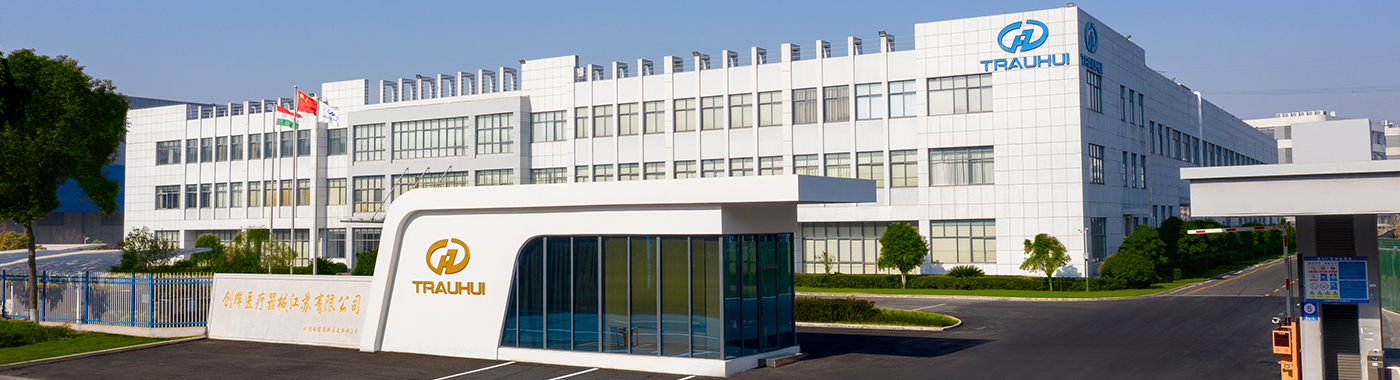
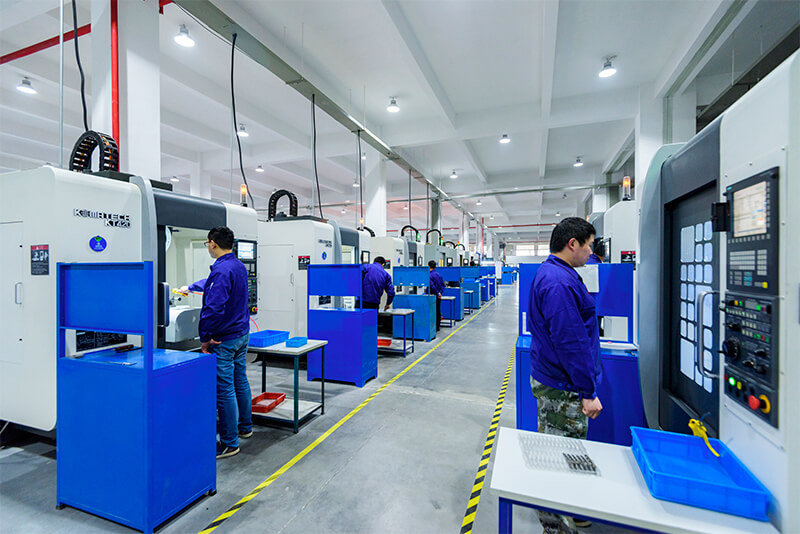
For orthopedic procurement officers, hospital purchasing managers, and medical device distributors, qualifying the right 3D Printed Titanium Cage supplier requires evaluating more than just external dimensions. It requires an in-depth understanding of trabecular pore topology, mechanical fatigue strength (ASTM F2077), post-additive powder cleaning protocols, and regulatory file readiness. As an established medical device manufacturer operating a 30,000+ m² facility with over 30 specialized production lines in Changzhou, China, Trauhui Medical Co., Ltd stands at the forefront of additive orthopedic manufacturing, delivering engineered precision to healthcare partners worldwide.
Engineered with 60%–80% interconnected porosity and pore sizes of 300–700 μm, replicating natural human cancellous bone to facilitate rapid capillary and osteoblast migration.
Modulus of elasticity engineered close to trabecular bone (1.5–5.0 GPa), redistributing mechanical loads across the interbody space and lowering endplate subsidence risk.
Multi-stage ultrasonic, vacuum fluidic flushing, and CT verification protocols ensure thorough removal of residual un-melted titanium powder for uncompromised bio-safety.
A rigorous comparative analysis based on mechanical properties, biological response, and long-term fusion outcomes.
Polyetheretherketone (PEEK) has historically gained popularity due to radiolucency and elastic modulus closeness to bone. However, PEEK is chemically inert and bio-hydrophobic. In clinical settings, PEEK cages often elicit a fibrous tissue encapsulation response, creating a non-conductive interface between the host bone and the implant. In contrast, 3D printed titanium cages constructed from medical-grade Ti-6Al-4V ELI titanium powder possess intrinsic osteoconductive properties. Osteoblasts adhere directly to the micro-roughened porous titanium lattice, synthesizing hydroxyapatite and achieving true 3D bone ingrowth (thru-growth) throughout the cage interior.
Traditional machined solid titanium interbody spacers have a high modulus of elasticity (~110 GPa), which significantly exceeds that of cortical bone (~18 GPa) and cancellous bone (~1.5 to 5 GPa). This mechanical mismatch causes severe stress shielding, where the rigid metal implant carries the majority of the physiological axial load, preventing normal bone remodeling (Wolff’s Law) and leading to vertebral endplate collapse or cage subsidence.
Through 3D additive manufacturing technologies (Electron Beam Melting / Selective Laser Melting), Trauhui Medical Co., Ltd customizes lattice density and cell geometry. This allows us to reduce the effective bulk modulus of our 3D printed titanium cages down to 2.0–4.5 GPa, aligning seamlessly with human vertebral trabecular bone while maintaining high static shear and dynamic compression resistance under ASTM F2077 standards.
Because the porous architecture of a 3D printed cage provides mechanical support and structural osseointegration simultaneously, surgeons do not need to pack vast quantities of expensive autograft or allograft bone into central graft windows. The lattice matrix itself acts as a scaffold for bone regeneration, lowering total surgical costs and reducing donor site morbidity.
Engineered by Trauhui Medical Co., Ltd for cervical, transforaminal, and lateral spinal fusion procedures.
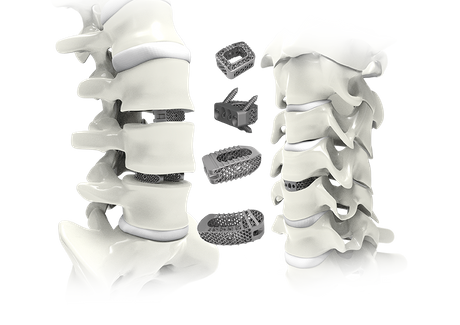
Universal porous additive-manufactured titanium interbody platform designed to promote rapid bone ingrowth across cervical and lumbar surgical approaches.
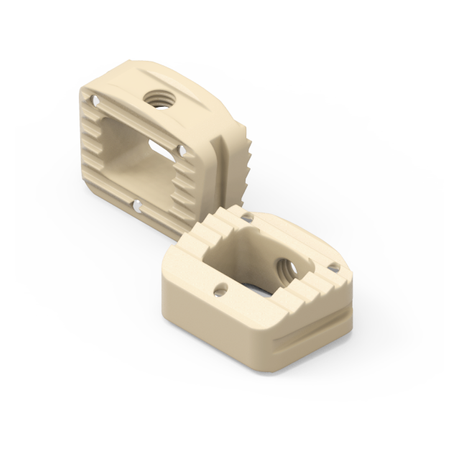
Low-profile anterior cervical interbody cage featuring an anatomical lordotic angle, tooth-like serrations for initial fixative grip, and interconnected porosity.
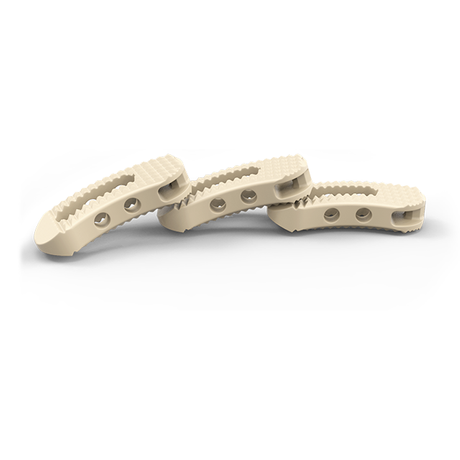
Bullet-nosed curved design facilitating seamless transforaminal insertion while protecting neural elements, supported by high friction surface contacts.
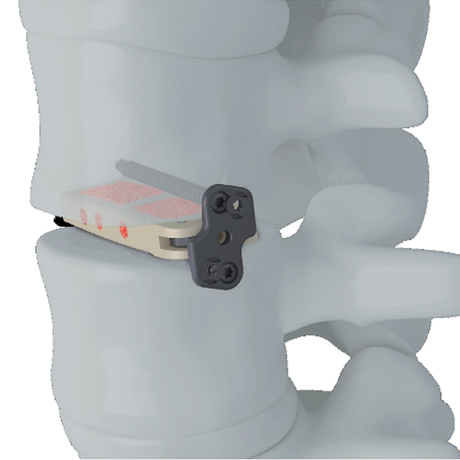
Wide-footprint lateral cage spanning the apophyseal ring for maximum mechanical load distribution, high fatigue stability, and accelerated sagittal balance correction.
Key dynamics shaping purchasing decisions for healthcare networks and distributors over the next decade.
Global hospital tenders in Europe, North America, and Asia are increasingly specifying "porous titanium structure" or "surface osteo-integrative cage" in their contract requirements. Clinical studies consistently document earlier radiographic fusion (at 3 to 6 months) with 3D printed titanium cages compared to PEEK, leading major hospital networks to phase out traditional smooth PEEK spacers.
The industry is moving beyond uniform lattice shapes toward functionally graded porosity, where the inner lattice core is extra permeable for bone growth and the outer endplate contact surfaces are optimized for friction coefficient and compressive strength. Trauhui Medical Co., Ltd utilizes advanced CAD/FEA simulation software to develop bio-inspired structures that cater to evolving surgical preferences.
To preserve profit margins amidst regional healthcare cost pressures and tender price caps, top-tier orthopedic brand owners and regional distributors are shifting from purchasing through trading intermediaries to contracting directly with specialized certified OEMs. Partnering with fully integrated Chinese manufacturers like Trauhui Medical Co., Ltd ensures competitive unit pricing, regulatory support, and guaranteed supply continuity.
Surgeons and regulatory bodies mandate absolute compliance. Distributors cannot risk delays caused by incomplete technical dossiers. Sourcing from manufacturers holding ISO 13485 quality systems, CE certificates, and FDA 510(k) clearances simplifies national registration processes in emerging and developed markets alike.
Founded in 2009 and located in Changzhou, Jiangsu—China's recognized capital of orthopedic device manufacturing—Trauhui Medical Co., Ltd brings over 15 years of dedicated engineering and medical device manufacturing experience to the global market.
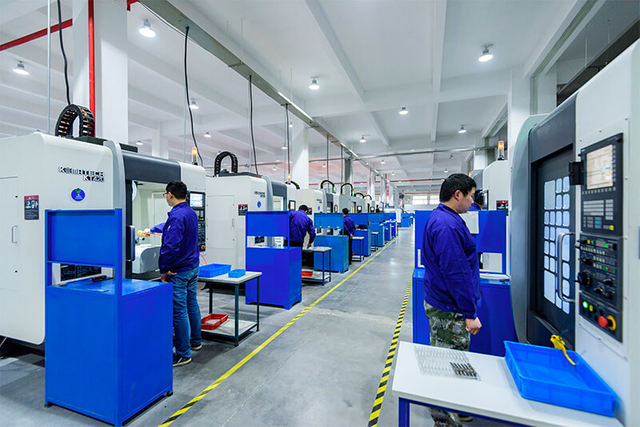
With a total investment exceeding RMB 200 million, our modern manufacturing complex spans over 30,000 m² and operates 30+ high-precision production lines. Backed by a specialized R&D engineering team of more than 30 experts, we deliver certified quality, rapid OEM prototyping, and scalable manufacturing output to partners in over 30 countries.



Detailed technical and commercial answers tailored for procurement leaders, biomedical engineers, and orthopedic distributors.
3D printed titanium cages utilize controlled porous trabecular architectures (typically 60%–80% porosity with pore sizes between 300 μm and 700 μm) that dramatically lower the bulk modulus of elasticity to match human cancellous bone (1.5–5.0 GPa). Unlike solid titanium (110 GPa) which causes severe stress shielding and endplate subsidence, or PEEK (3.6 GPa) which forms a hydrophobic fibrous encapsulation barrier, porous 3D titanium provides optimal mechanical load sharing alongside direct cellular bone ingrowth (osseointegration).
Trauhui Medical Co., Ltd implements a stringent multi-stage validation process for powder extraction. This includes high-frequency multi-axis ultrasonic agitation, controlled fluidic pressure flushing, vacuum heat treatment, and micro-CT tomographic density sampling. Every production batch undergoes strict particle liberation and ISO 10993 cytotoxicity testing to guarantee zero loose metal powder remains inside internal lattice cavities.
We provide full regulatory support packages including CE Certificates, FDA 510(k) clearance files, ISO 13485 QMS certificates, ASTM F2077 static/dynamic mechanical test reports (axial compression, shear, torsion), ASTM F2267 subsidence evaluation data, biocompatibility testing files, and comprehensive Design History Files (DHF) to support rapid registration in your country.
Yes. Backed by our dedicated R&D engineering team of over 30 specialists and in-house additive manufacturing capabilities, Trauhui Medical Co., Ltd offers end-to-end OEM/ODM services. We collaborate with global partners on custom lattice topologies, finite element analysis (FEA), quick-turn prototyping, mechanical verification, and private-label sterile packaging.
Standard footprint 3D printed titanium cages (ACDF, TLIF, XLIF) maintained in our warehouse inventory are typically dispatched within 15 business days. For customized contract manufacturing or private-label projects, production lead times generally range between 30 and 45 days, depending on specific design complexity and mechanical validation needs.
Because the porous titanium matrix serves as a 3D structural osteoconductive scaffold, bone cells grow directly through the interconnected pores. This dramatically reduces the volume of expensive biological bone graft substitutes (BMP, DBX, autograft) required inside the central window, significantly lowering overall procedure costs while elevating fusion reliability.
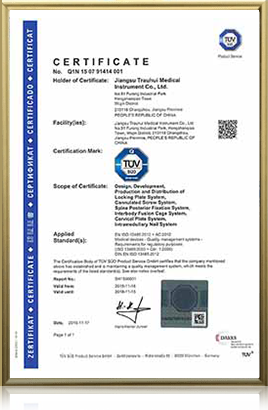
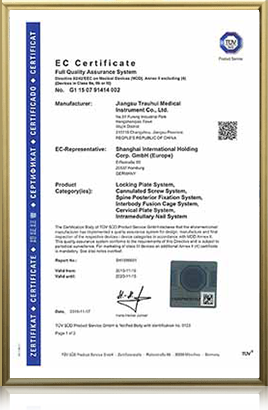
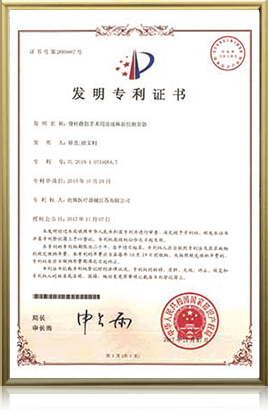
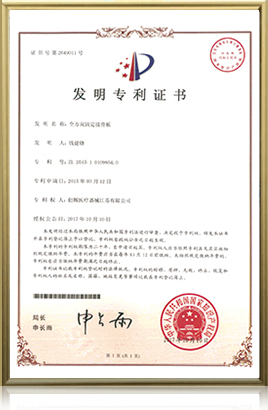
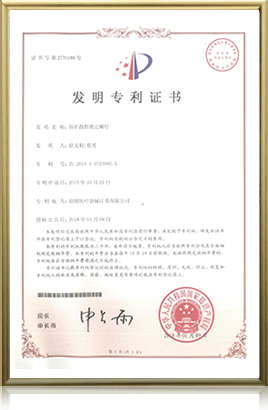
Trauhui Medical Co., Ltd operates under an ISO 13485 Quality Management System with CE marking and multiple national invention patents.
Partner directly with Trauhui Medical Co., Ltd for certified quality, reliable lead times, and comprehensive OEM/ODM support for your orthopedic product portfolio.