Strategic Sourcing Guide for Orthopedic Implants: Global Market Insights, Regulatory Standards, and Future Procurement Trends
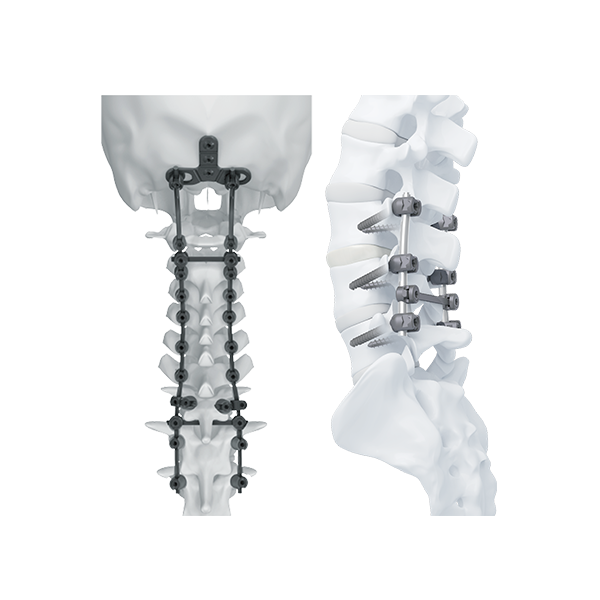
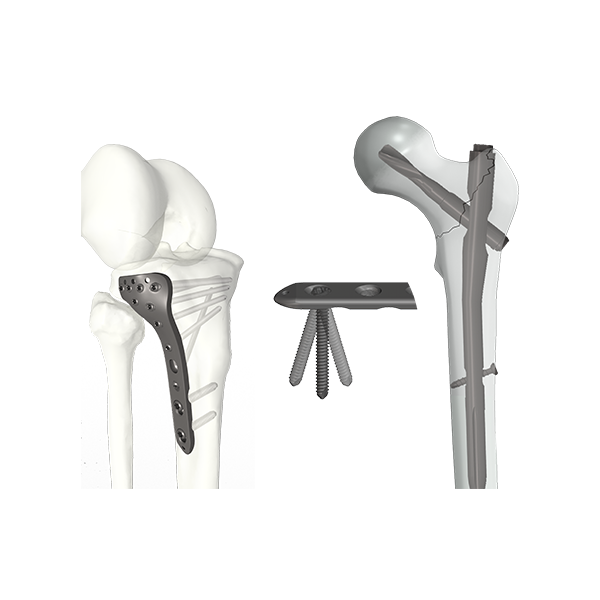
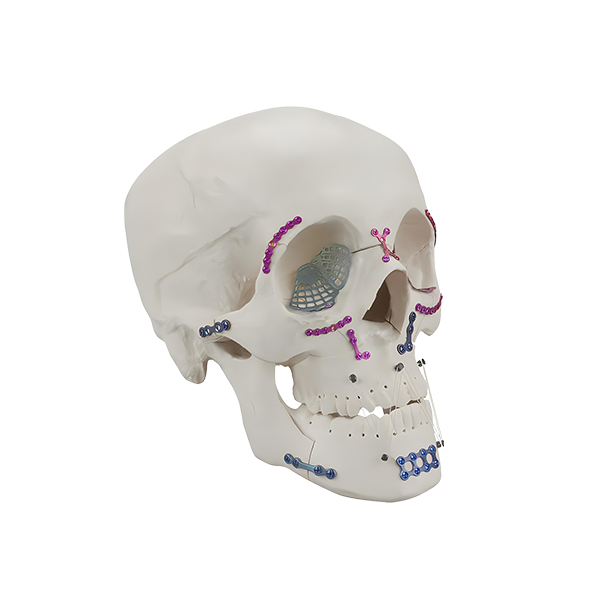
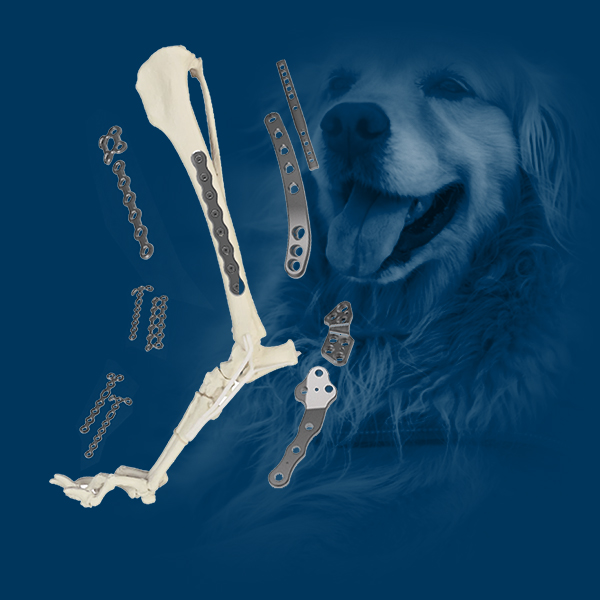
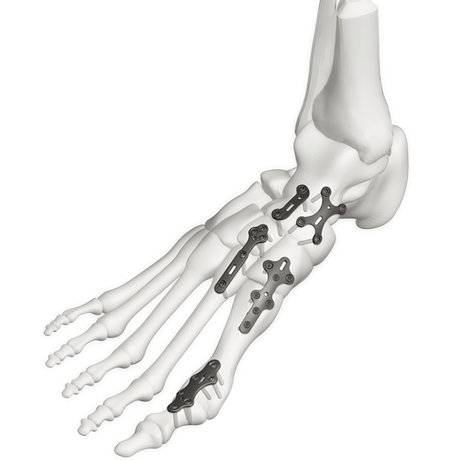
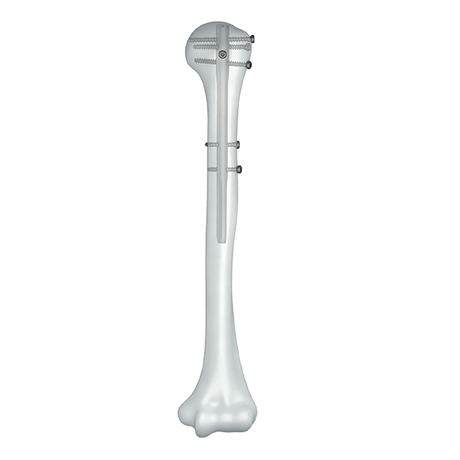
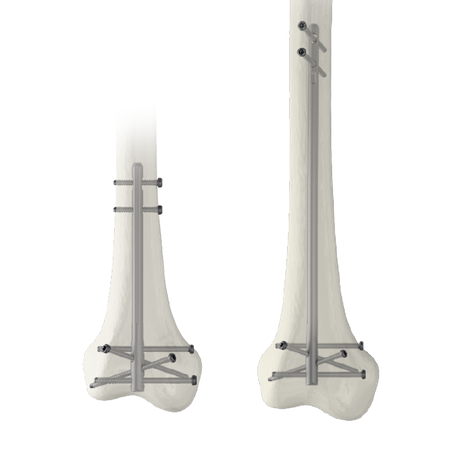
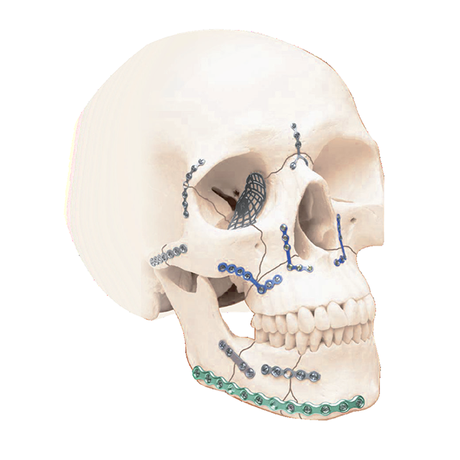
Navigating the global landscape for Orthopedic Implants requires rigorous quality assurance, regulatory compliance, and technological alignment. Trauhui Medical Co., Ltd serves international distributors, OEM partners, and hospital procurement boards with CE-marked, FDA 510(k)-cleared, and ISO 13485-certified spine, trauma, craniomaxillofacial (CMF), and veterinary fixation systems produced in Changzhou, China.
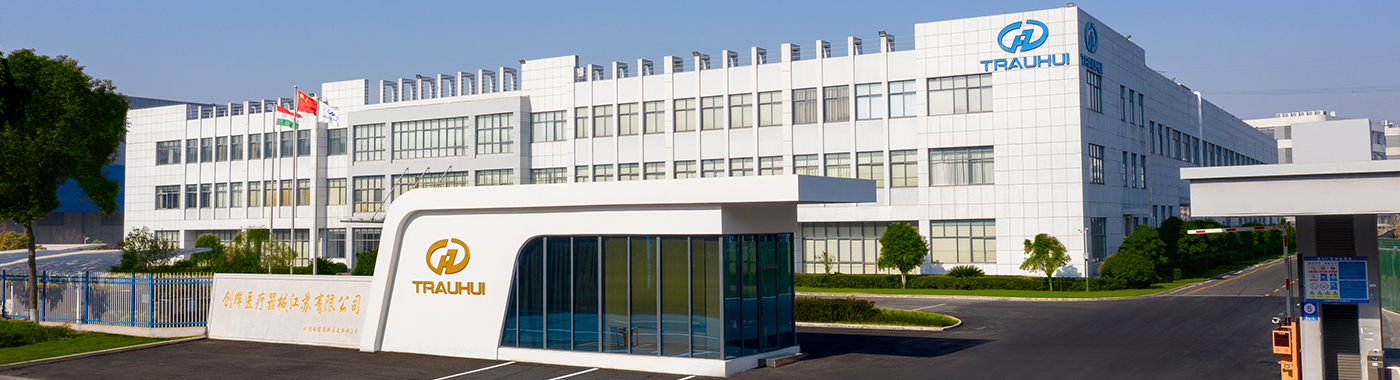
Located in Changzhou, China's orthopedic industrial core, Trauhui Medical Co., Ltd operates a 30,000+ m² modern facility. Controlling machining, cleaning, inspection, and sterile packaging in-house delivers predictable lead times and superior cost efficiency.
Customized OEM & ODM Engineering
Our 30+ engineer R&D team converts specialized anatomical concepts or customized CAD files into validated, market-ready implants and matching instrumentation sets under strict confidentiality agreements.
ISO 13485 & Biocompatibility Standards
Every production batch undergoes CMM dimensional validation, mechanical fatigue testing (ASTM F2077/F1717), and raw material verification (Ti-6Al-4V ELI & PEEK OPTIMA) to eliminate clinical risks.
Industry Intelligence & Sourcing Intent
Global Sourcing Trends & Technological Evolution in Orthopedic Implants
Insights for procurement officers, medical device distributors, and orthopedic brand managers seeking long-term competitive advantage.
1. The Shift Toward Additive Manufacturing & Porous Titanium
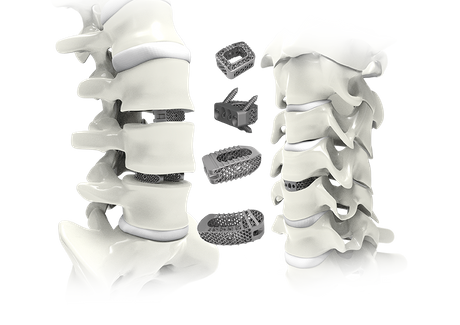
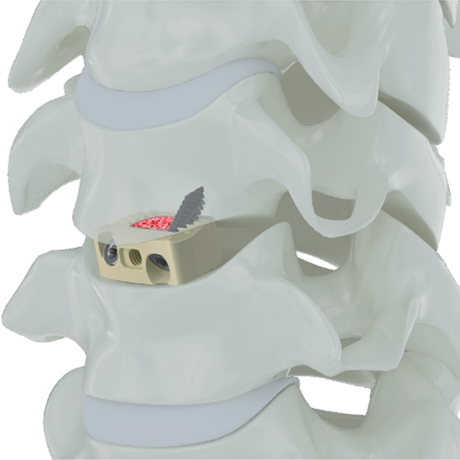
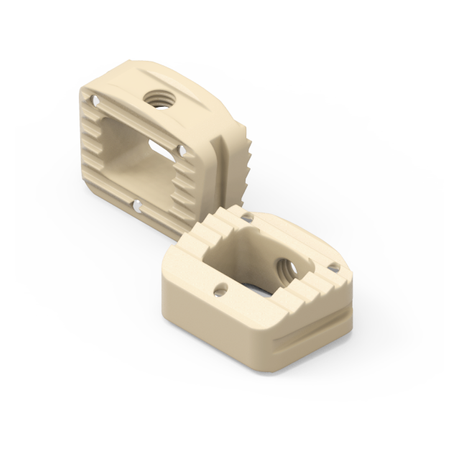
Traditional smooth PEEK cages are rapidly losing market share to 3D-printed porous titanium implants. Additive manufacturing creates interconnected micro-pore structures mimicking human trabecular bone (50-70% porosity, 300-600 μm pore size). This architecture promotes rapid early osseointegration, eliminates interface shearing, and lowers modulus of elasticity to prevent stress shielding and subsidence. Global buyers are prioritizing suppliers with validated 3D titanium printing capabilities for spine TLIF/ACDF cages and custom joint revision block implants.
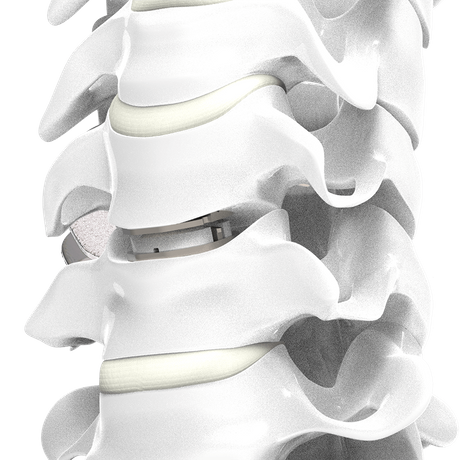
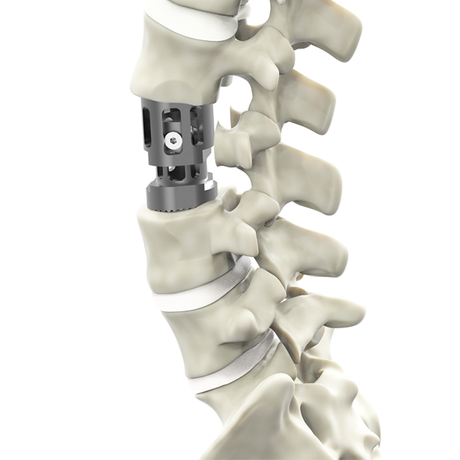
Surgeons and reimbursement bodies increasingly prefer motion-preserving devices over total rigid fusion for early-stage cervical disc degeneration. Artificial cervical disc replacement systems (such as our Coahard system) maintain natural segmental kinematics, protecting adjacent disc spaces from accelerated degeneration. Implants combining titanium alloy endplates with wear-resistant polymer cores are seeing a surge in global procurement demand.
3. Variable Angle Locking Plating in Trauma Surgery
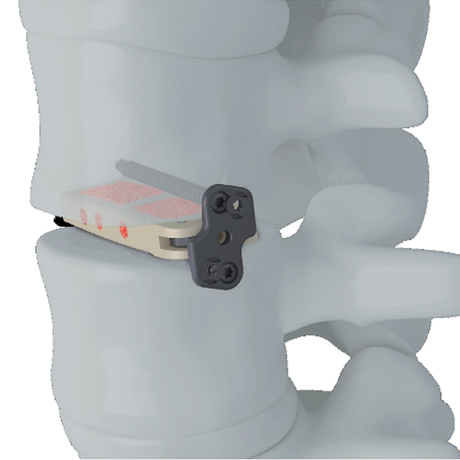
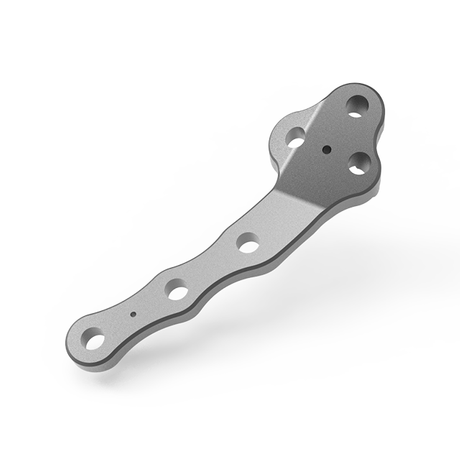
In trauma management, fixed-angle locking compression plates (LCP) are giving way to Variable Angle (VA) locking plate systems. VA technology allows surgeons to direct screws within a 30-degree cone, enabling optimal trajectory toward small periarticular fragments without compromising fixation strength. Sourcing teams seeking market growth must evaluate suppliers offering anatomical VA locking plate ranges for distal radius, proximal humerus, distal femur, and calcaneus trauma.
The implementation of EU MDR (2017/745) and elevated FDA auditing metrics have driven medical device distributors away from low-tier trading vendors toward fully integrated original manufacturers. Sourcing directors demand direct access to Technical Files, Clinical Evaluation Reports (CER), Master Files, and full material lot traceability. Partnering directly with certified manufacturers like Trauhui Medical Co., Ltd secures regulatory continuity and shields distributors against supply chain disruptions.
15+ Years Focused Exclusively on Orthopedic Manufacturing
Founded in 2009 in Changzhou, Jiangsu Province—recognized globally as China’s premier orthopedic industrial manufacturing cluster—Trauhui Medical Co., Ltd transitioned strategically in 2013 to focus 100% on orthopedic implants and surgical instruments.
With a cumulative total investment exceeding RMB 200 million, Trauhui Medical Co., Ltd has integrated R&D, high-precision machining, cleanroom packaging, and global regulatory compliance under one roof. In 2017, we extended our global footprint by acquiring a Hong Kong enterprise and establishing a dedicated European manufacturing operation in Hungary.
2009Company founded in Changzhou High-Tech Zone, launching specialized medical precision machining.
2013Strategic pivot to dedicated research, development, and manufacturing of spine and trauma orthopedic implants.
2017International expansion: acquired European production plant in Hungary and established Hong Kong subsidiary.
TodayPartnering with healthcare distributors across 30+ countries with annual capacity over 350,000 implant units.
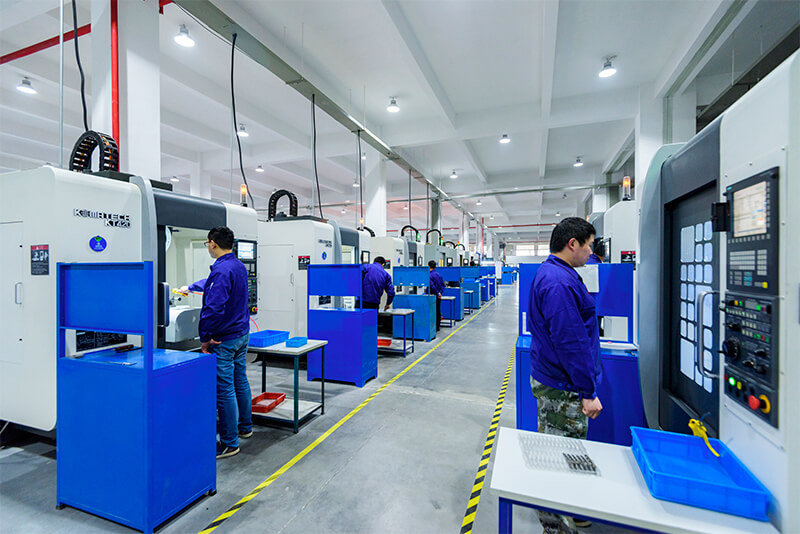
Inside Trauhui Medical Co., Ltd: Modern CNC machining center, Class 100,000 cleanroom, and automated QC testing.
0+
m2 Plant Area
0+
Advanced CNC Lines
0+
Senior R&D Engineers
0+
Global Export Markets
Production Infrastructure
State-of-the-Art Manufacturing & Quality Control Center
Trauhui Medical Co., Ltd welcomes global OEM clients and distributor procurement directors to inspect our manufacturing facility located at No.2 Longqing Road, Wujin Hi-tech Zone, Changzhou, Jiangsu, China.
Over 150 sets of 5-axis DMG MORI, Citizen, and Haas CNC machining & wire-cutting tools
Annual manufacturing capacity exceeding 350,000 finished implant units and 20,000 instrument sets
In-house mechanical testing lab equipped for static, dynamic fatigue, and axial compression analysis
Class 100,000 cleanroom packaging facility meeting ISO 11607 sterile barrier standards
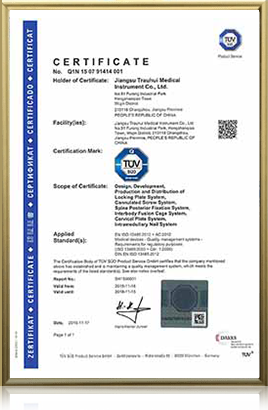
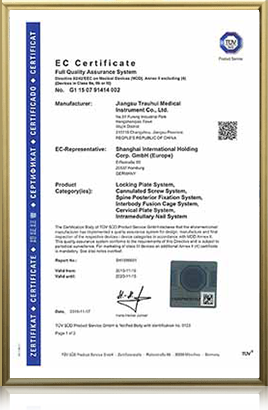
Independently audited and certified by TÜV Rheinland / TÜV SÜD and official regulatory health authorities.
ISO 13485Certified Quality Management System
CE MarkEC Conformity Certification
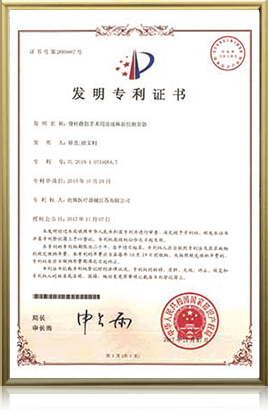
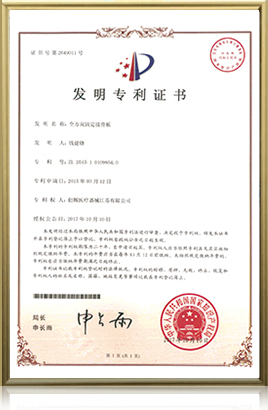
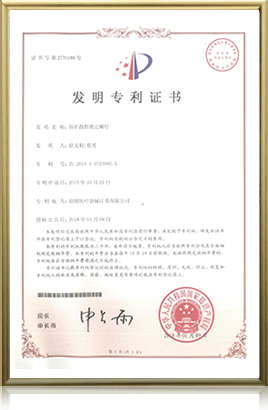
Invention PatentSpinal Fixation System
Invention PatentTrauma Locking System
Invention PatentPrecision Instrument Mechanism
Knowledge Center & Clinical Sourcing Insights
Latest Articles & Sourcing Guides
Written by orthopedic device specialists to educate global buyers, surgeons, and distributor commercial teams.
What Instruments Are Essential in Posterior Spinal Correction Surgery?
Posterior spinal correction demands ultimate mechanical precision. From pedicle probes and rod benders to transverse connectors and reduction towers, this guide outlines critical instrument specifications and material quality standards required for deformity correction, scoliosis, and spondylolisthesis procedures.
Why Global Orthopedic Distributors Sourcing from China Seek OEM Direct Hubs
Analysis of certification maturity, supply chain agility, and cost-efficiency advantages offered by China's leading orthopedic centers.
Biomechanical Comparison: 3D-Printed Porous Titanium Cages vs. PEEK Cages
Evaluating subsidence rates, modulus of elasticity, and radiolucency factors in modern interbody spinal fusion surgery.
Extended Volar Locking Plates for Complex Distal Radius and Shaft Fractures
Clinical indications for multi-angle volar locking plates extending into the radial diaphysis for unstable osteoporotic fractures.
Comprehensive Buyer Guide
Frequently Asked Questions by Global Orthopedic Buyers
In-depth responses to the most critical inquiries asked by medical device distributors, procurement officers, and regulatory agents.
1. Which international certifications and quality systems back Trauhui Medical orthopedic implants?
All orthopedic implants and surgical instruments manufactured by Trauhui Medical Co., Ltd strictly adhere to an ISO 13485:2016 Certified Quality Management System. Our flagship spinal and trauma lines carry European CE Marking under relevant directives/regulations and hold clearance under US FDA 510(k) specifications. We maintain complete Technical Dossiers, Risk Management Files (ISO 14971), Biocompatibility Reports (ISO 10993), and Sterilization Validation Documentation (ISO 11137 / ISO 11135) to facilitate rapid local health authority registration for global distributors.
2. Does Trauhui Medical Co., Ltd provide custom OEM/ODM development for specialized orthopedic implants?
Yes. Trauhui Medical Co., Ltd offers extensive OEM and ODM solutions tailored to regional clinical preferences or proprietary brand specifications. Our dedicated R&D department consisting of 30+ engineers utilizes advanced 3D CAD/CAM software, finite element analysis (FEA), and rapid metal 3D printing prototyping. We guide projects seamlessly from initial design optimization and mechanical testing to custom instrument tray design, laser marking, cleanroom packaging, and private labeling.
3. What materials are utilized in your orthopedic implants, and how is quality controlled?
We exclusively source high-grade bio-compatible materials from verified global suppliers. Titanium alloy implants utilize Ti-6Al-4V ELI (ASTM F136 / ISO 5832-3); spinal interbody fusion cages use implant-grade PEEK (Polyether ether ketone OPTIMA LT1); and stainless steel trauma plates or instruments utilize medical-grade 316L (ASTM F138 / ISO 5832-1) or custom martensitic stainless steels. Raw materials undergo spectral composition analysis and mechanical tensile testing prior to CNC machining.
4. What is the typical lead time for standard export orders and custom OEM projects?
For standard catalog inventory across our Spine, Trauma, CMF, and Veterinary portfolios, Trauhui Medical Co., Ltd maintains robust safety stock, allowing orders to be processed, sterilized/inspected, and dispatched within 15 calendar days. For custom OEM/ODM manufacturing, typical prototype delivery ranges from 30 to 45 days, while full mass-production runs require 60 to 90 days depending on tooling complexity and regulatory validation steps.
5. How does Trauhui Medical Co., Ltd support local product registration for international distributors?
We empower our distributor partners by providing comprehensive registration dossiers. These include Certificates of Free Sale (CFS), ISO 13485 Certificates, CE Certificates, FDA 510(k) letter copies, Product Technical Specifications, Design Drawings, Raw Material Mill Test Reports, Biocompatibility Evaluation Reports, and Clinical Evaluation Summaries. Our regulatory affairs department assists directly in resolving technical queries raised by regional Ministries of Health.
6. What are the biomechanical advantages of Trauhui Medical's 3D-printed titanium fusion cages?
Trauhui Medical’s 3D-printed titanium cages feature a continuous porous trabecular structure designed with a porosity rate of 50–70% and pore sizes optimized for osteoblast migration. This structure significantly reduces the elastic modulus to match human cancellous bone, minimizing stress shielding and subsidence. Unlike traditional surface-coated implants, the porous matrix is fully integrated throughout the cage construct, accelerating early osseointegration and long-term fusion stability.
7. What surgical instrument kits and tray sets are supplied with implant systems?
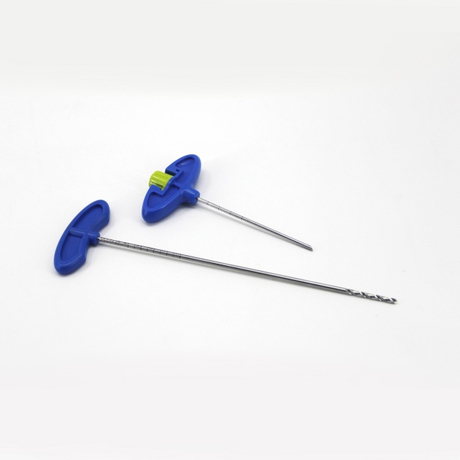
Every implant category—whether Spine, Trauma, CMF, or Veterinary—is supported by a dedicated, color-coded, hard-anodized aluminum surgical instrument box. Instrument kits are ergonomic, intuitively organized according to surgical steps, and fully autoclavable. Trauhui Medical Co., Ltd also provides replacement instruments and customized tray layouts based on specific hospital preference cards.
8. How can global buyers audit Trauhui Medical Co., Ltd's manufacturing facility in China?
We welcome procurement executives, hospital committees, and OEM partners to audit our headquarters and manufacturing site at No.2 Longqing Road, Wujin Hi-tech Zone, Changzhou, Jiangsu, China. We also offer interactive live video audits for international clients unable to travel, providing real-time walkthroughs of our CNC machining centers, CMM inspection stations, mechanical testing laboratories, and Class 100,000 cleanroom facilities.