1. Diversification Away from High-Cost Tier-1 Monopolies toward Certified OEM Manufacturers
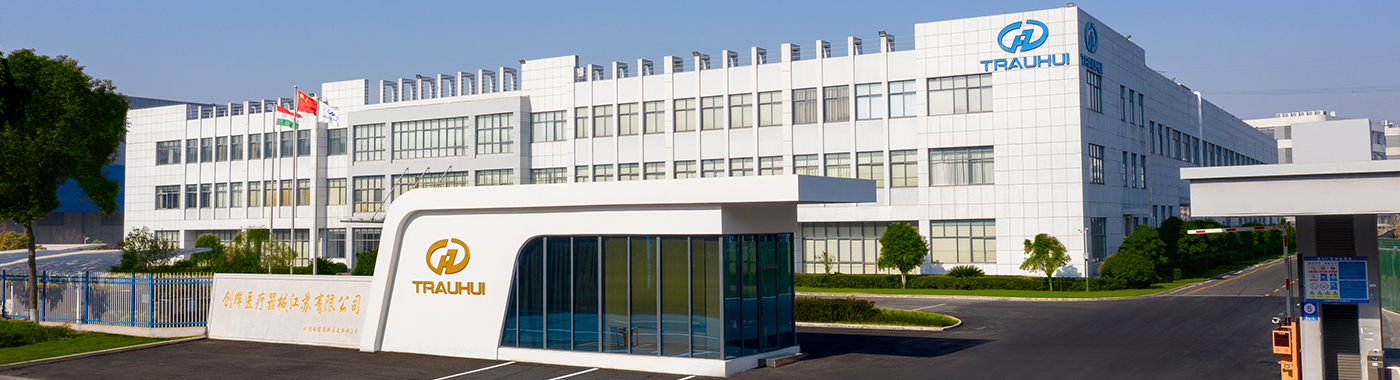
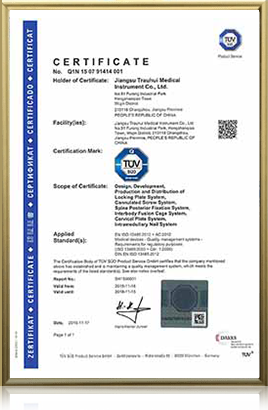
Global healthcare systems are operating under increasing fiscal constraints. Hospital procurement directors and private healthcare networks are aggressively replacing inflated Tier-1 brand products with high-quality, regulatory-cleared implants from specialized original equipment manufacturers (OEMs). By sourcing directly from ISO 13485 certified facilities like Trauhui Medical Co., Ltd, distributors achieve margin expansions of 35% to 50% while maintaining absolute parity in biomechanical performance, clinical safety, and material certification (Ti-6Al-4V ELI).
2. Stringent Regulatory Harmonization (EU MDR & FDA 510k Readiness)
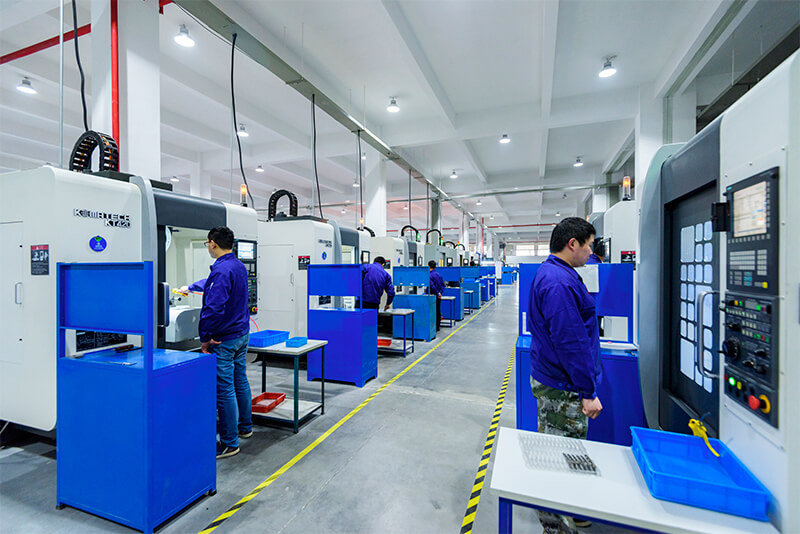
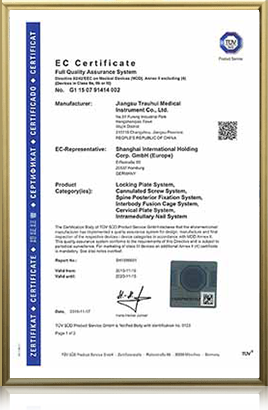
The implementation of EU MDR (Medical Device Regulation 2017/745) and heightened FDA 510(k) post-market surveillance has created supply bottlenecks for non-compliant vendors. Global buyers now demand comprehensive Technical Files, Clinical Evaluation Reports (CER), and full material traceability from raw titanium billet to final sterile barrier packaging. Manufacturers with robust in-house quality testing laboratories and established CE/FDA credentials represent the only sustainable partner choice.
3. Complete Instrument Set Standardization & Universal Tray Engineering
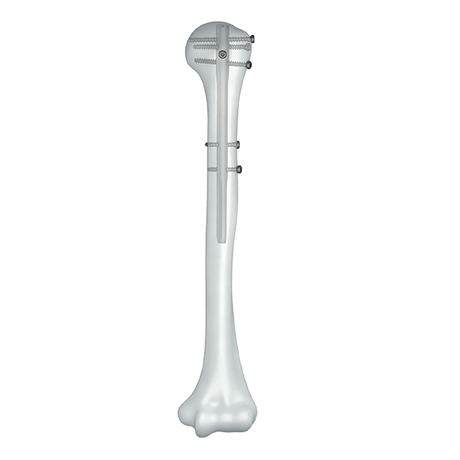
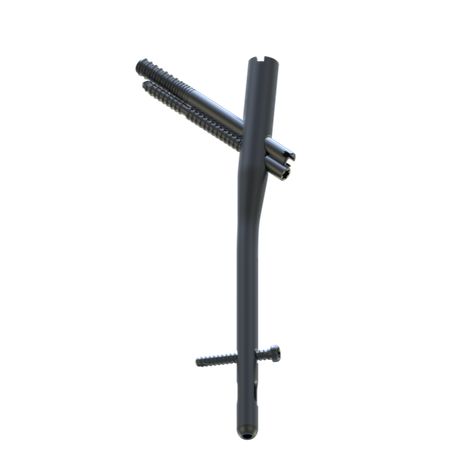
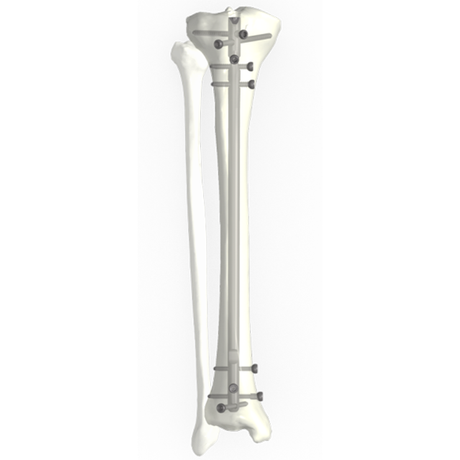
Distributors no longer buy standalone implants; they invest in procedural solutions. Modern procurement contracts prioritize universal instrument trays capable of performing both Anterograde and Retrograde humeral nailing operations with minimal tool changes. Trauhui Medical's modular instrument trays feature color-coded drill guides, quick-coupling handles, and high-grade stainless steel reamers engineered to withstand 500+ autoclave sterilization cycles without accuracy loss.
4. Agile Stocking & Quick-Turn Lead Times (Reducing Stock-Out Risk)
Unpredictable trauma case surges require distributors to maintain lean yet responsive inventory models. Trauhui Medical supports global partners with a 15-day typical lead time for standard humeral nail configurations, backed by extensive safety stock in Changzhou, China. OEM and private-label partners benefit from turnkey customization—from laser-marking distributor part numbers to custom-printed sterile blister boxes.