Blog
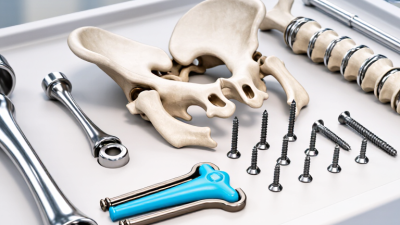
10 Best Orthopedic Implant Manufacturers Worldwide
Orthopedic implants become part of someone’s daily life: a hip stem bears weight on stairs, while a spinal screw helps stabilize a delicate structure. Choosing among the best orthopedic implant manufacturers is therefore more than comparing product catalogs. Surgeons and hospitals also consider clinical evidence, material performance, manufacturing controls, and long-term follow-up.
Healthcare strategy expert Michael E. Porter wrote, “Value in health care is measured by the outcomes achieved, not the volume of services delivered.” That principle matters here. A broad product range may look impressive, but it does not by itself prove better patient outcomes. Details matter. For example, clinicians may examine implant design, available sizes, instrument compatibility, and how clearly a manufacturer supports product traceability.
This guide introduces 10 leading orthopedic implant manufacturers worldwide and the factors that distinguish them. It considers their presence across joint replacement, trauma, spine, and related specialties, while recognizing that strengths vary by product line and region. No manufacturer is the right choice for every patient or procedure. That is worth remembering.
The discussion is intended as an informed starting point, not a substitute for clinical judgment or current regulatory checks. Product availability and evidence can change. Readers should verify details with manufacturers, clinicians, and relevant public records before drawing conclusions. Even a careful overview has limits.
Read more »
 By:Elara
- November 18, 2026
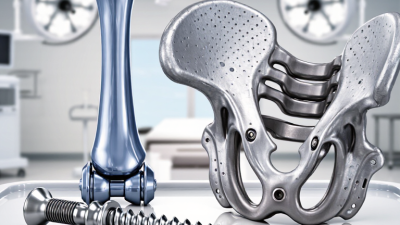
Top Orthopedic Implant Manufacturers in 2026
Orthopedic implants are not interchangeable parts. A cobalt-chromium knee component, a porous titanium hip stem, and a spinal fixation screw each face different demands inside the body. For hospitals and surgeons, manufacturer comparisons therefore involve more than brand recognition. They involve clinical evidence, material choices, design history, manufacturing consistency, and support after surgery.
The market is growing, but the figures need context. Grand View Research’s Orthopedic Implants Market Size, Share & Trends Analysis Report estimated the global market at USD 45.8 billion in 2023 and projected a 4.9% compound annual growth rate from 2024 to 2030. That forecast signals commercial momentum, not proof that any one product works best for every patient. That distinction matters. Surgeon and author Atul Gawande wrote, “Better is possible. It does not take genius. It takes diligence.” His words, from Better: A Surgeon’s Notes on Performance, offer a useful lens for assessing manufacturers: diligence means examining evidence, not relying on polished claims.
This guide to the top orthopedic implant manufacturers in 2026 compares established global companies through product breadth, innovation, clinical and regulatory transparency, and practical reach across joint reconstruction, trauma, and spine care. Company scale can indicate resources, but it cannot replace device-specific outcomes or clinical judgment. Public disclosures also vary, making direct comparisons imperfect. Readers should treat this overview as a starting point, then check current product labeling and independent clinical evidence before drawing conclusions.
Read more »
 By:Aveline
- November 13, 2026
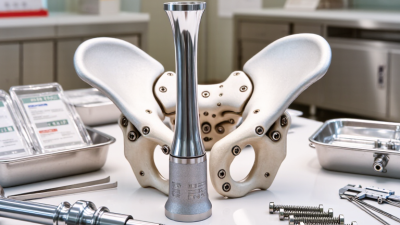
2026 Best Orthopedic Implant Manufacturers in China?
Choosing among the 2026 best orthopedic implant manufacturers in China takes more than comparing prices or polished catalogs. Buyers need to examine product scope, manufacturing controls, clinical evidence, and the support available after delivery. A hip stem, spinal fixation system, and trauma plate each raise different questions. Look closely at material specifications, surface finish, packaging, traceability, and the records supporting each product’s intended use.
Surgeon and quality researcher Atul Gawande wrote, “Better is possible.” That principle fits supplier evaluation: quality depends on disciplined processes and continuous review, not a brochure alone. Ask how a manufacturer manages design changes, batch records, inspection findings, and complaints. Request relevant certificates and technical documentation, then verify their scope and validity independently. A certificate is useful evidence. It is not proof of every product’s performance.
This guide introduces orthopedic implant manufacturers in China through practical criteria rather than unsupported rankings. It considers product specialization, production capability, quality systems, export experience, and communication. Details matter. A clear lot number on a sterile package can make later checks easier; vague answers about testing should prompt follow-up. No shortlist is perfect, and public information may not reveal day-to-day factory performance. Treat these profiles as a starting point, confirm claims directly, and seek qualified clinical and regulatory advice before making procurement decisions.
Read more »
 By:Vivienne
- November 8, 2026
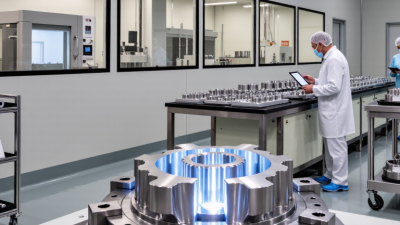
What Is an Orthopedic Implant Factory and How to Choose One?
An orthopedic implant factory is more than a production floor with polished machines. It is a controlled system where design files, material certificates, machining records, and inspection results must connect. A titanium component may pass through CNC milling, surface finishing, cleaning, and dimensional checks before it is ready for further evaluation. Small details matter. A rough edge can raise questions about fit, wear, or process control.
“A dependable implant is built on repeatable control, not polished claims.” — [Insert a verified orthopedic manufacturing expert’s name and sourced quotation.]
Choosing an orthopedic implant factory takes more than comparing prices or viewing a clean facility. Ask how the supplier controls material traceability, validates manufacturing steps, documents inspections, and manages design changes. Request examples of relevant production experience, and clarify which processes are performed in-house. A capable partner should explain its controls in plain language and provide records that support its claims. Look closely at sample documentation, not only the finished part.
There is no perfect checklist. Needs vary by implant type, material, and development stage. A factory suited to a mature product may not fit an early prototype. And a confident sales presentation is not proof. Verify each claim against available evidence, and involve qualified engineering and quality professionals in the review. This guide explains what an orthopedic implant factory does and how to assess one with care. The quotation above needs a real, verifiable source before publication; inventing an expert attribution would weaken trust.
Read more »
By:Vivienne
- November 3, 2026
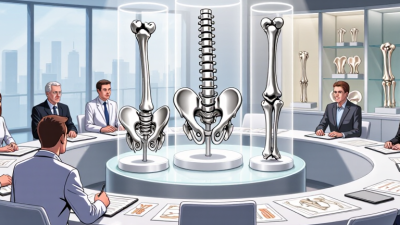
Top Orthopedic Implant Companies in 2026 for Global Buyers
Choosing an orthopedic implant company in 2026 involves more than comparing familiar brand names. Global buyers must assess implant design, clinical evidence, manufacturing consistency, service support, and the practical needs of local hospitals. A hip or knee system may look impressive in a catalog. Its value becomes clearer through dependable supply, surgeon training, and responsive technical support.
Surgeon and patient-safety researcher Atul Gawande wrote, “Better is possible. It does not take genius. It takes diligence. It takes moral clarity. It takes ingenuity. And above all, it takes a willingness to try.” That principle suits implant procurement: careful evaluation matters. Buyers can compare product portfolios, evidence quality, quality systems, innovation, and after-sales service. They should also ask how clearly a supplier explains product limitations, instrument requirements, and training needs.
This overview introduces leading companies serving international orthopedic markets, while recognizing that “top” depends on the buyer’s priorities. A large portfolio may not fit every hospital. Nor does a strong reputation answer every local question. Availability, clinical needs, and support can differ by region. No shortlist is perfect; the criteria may overlook a factor important to your team. Treat the companies discussed here as candidates for further review, not automatic recommendations. The details matter.
Read more »
By:Aveline
- October 29, 2026
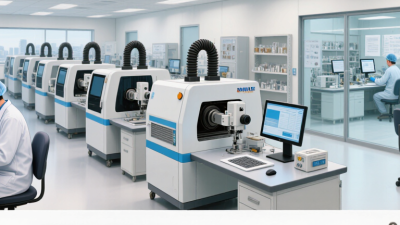
How to Choose a Top China Orthopedic Device Manufacturer?
Choosing a top China orthopedic device manufacturer requires more than comparing prices or browsing polished websites. It demands clinical judgment, engineering awareness, and careful supplier verification. A reliable partner should understand anatomy, surgical workflow, material behavior, and the pressure of real operating rooms. The difference may appear in small details, such as smoother instrument handling, clearer implant markings, or packaging that protects sterility during transport.
Sir John Charnley, a pioneer of modern joint replacement, is often credited with saying, “The surgeon who does not understand engineering is a dangerous surgeon.” This reminder still matters. An orthopedic device manufacturer must connect surgical needs with precise design, validated production, and consistent quality control. Look for documented testing, traceable materials, qualified engineers, and transparent manufacturing records. Ask how the company manages design changes, supplier audits, complaints, and post-market feedback. Vague answers deserve attention.
Certifications are useful, but they are not the whole story. A certificate cannot reveal every production habit. Request samples, inspect labeling, review test reports, and speak with existing customers when possible. Visit the facility if the project is important. Observe cleanliness, calibration records, worker training, and final inspection procedures. These details often reveal more than a sales presentation.
No supplier checklist is perfect. Even experienced buyers can miss a hidden weakness. That is why selection should remain evidence-based and cautious. The strongest China orthopedic device manufacturer is not simply the largest exporter. It is the partner that communicates clearly, supports clinical safety, and improves when problems are honestly identified.
Read more »
By:Vivienne
- October 24, 2026
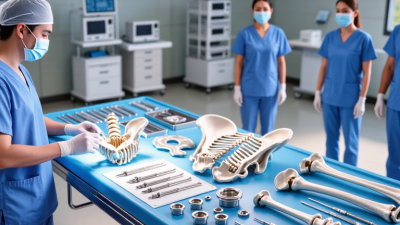
Which Is the Top Orthopedic Implant Supplier Worldwide?
Which Is the Top Orthopedic Implant Supplier Worldwide? The answer is not as simple as naming the largest company. Orthopedic implants support real patients, including those recovering from hip fractures, knee degeneration, and complex spinal injuries. Therefore, supplier evaluation must examine evidence, not marketing language.
A reliable orthopedic implant supplier should demonstrate consistent manufacturing, documented quality systems, and strong regulatory compliance. Certifications such as ISO 13485 may indicate structured processes, but they do not guarantee perfect clinical outcomes. Product traceability matters when a hospital checks a lot number beside an operating-room tray. Surgeons also need dependable instrumentation, clear surgical guides, and responsive technical support during demanding procedures. Long-term evidence, published clinical research, and transparent post-market surveillance deserve close attention. So does delivery performance.
Global reach can be valuable. However, local training and after-sales service often influence daily clinical performance more than a famous logo. A supplier may offer advanced coatings or customized implants, yet those features require careful review of durability, compatibility, and patient suitability. No ranking is flawless. Data may be limited, comparisons may use different standards, and regional approvals can vary. This article compares leading suppliers through product quality, clinical experience, innovation, manufacturing reliability, and customer support. It also considers an uncomfortable point: the “top” supplier for one hospital may not suit another. The strongest choice is usually the company that combines verified evidence with practical understanding, responsible communication, and consistent support from planning to follow-up.
Read more »
By:Aveline
- October 19, 2026
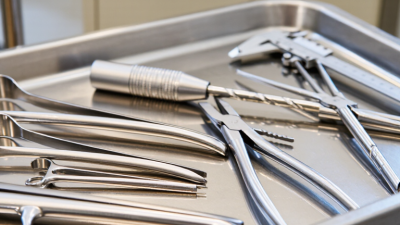
Why Choose an Orthopedic Surgical Instruments Manufacturer?
Choosing an orthopedic surgical instruments manufacturer affects more than purchase price. It influences surgical precision, staff confidence, sterilization routines, and long-term operating costs. Experienced manufacturers understand how a small change in jaw alignment or handle balance can affect control during demanding procedures.
A qualified orthopedic surgical instruments manufacturer should combine engineering knowledge with documented quality practices. Look for clear material specifications, dimensional inspection, corrosion testing, and traceable production records. Instruments should support common orthopedic workflows, including cutting, grasping, drilling, measuring, and fixation assistance. A reliable supplier can explain how each instrument is tested, finished, packaged, and prepared for the customer’s validation process. Certifications may strengthen confidence, but they should never replace direct evidence of product consistency.
Details matter.
A useful evaluation also includes communication after delivery. Responsive technical teams can help review samples, discuss surgical preferences, and identify maintenance concerns before they become costly problems. However, no manufacturer is perfect for every hospital or distributor. Custom designs may require longer development timelines, and familiar instruments may still need clinical feedback. That limitation deserves honest discussion. Buyers should compare documented performance, service capability, and total ownership costs rather than relying on attractive catalogs alone. With careful assessment, the right manufacturing partner can provide dependable instruments while supporting safer, more controlled orthopedic practice.
Read more »
By:Vivienne
- October 14, 2026
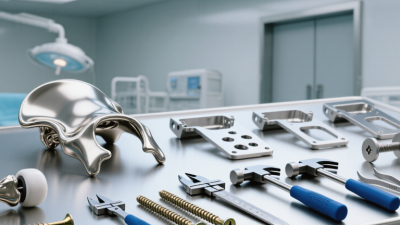
10 Best Orthopedic Implants and Instruments Suppliers?
The global orthopedic market is expanding, but supplier selection remains difficult. Fortune Business Insights valued the orthopedic implants market at approximately USD 52.8 billion in 2023. Its report projects continued growth through 2032, driven by ageing populations, sports injuries, and rising joint-replacement procedures. These numbers show opportunity. They also signal stronger competition.
This guide examines 10 leading orthopedic implants and instruments suppliers through practical, evidence-based criteria. We consider product breadth, manufacturing experience, regulatory documentation, clinical support, and instrument reliability. Important standards include ISO 13485 quality systems, traceable materials, validated sterilization processes, and appropriate FDA or European regulatory clearances. A supplier’s catalogue may look impressive, yet surgeons need predictable fit, clear sizing, and instruments that perform consistently on the operating table.
Reports from Grand View Research and MarketsandMarkets describe sustained demand for joint reconstruction, trauma fixation, and spinal devices. However, market forecasts are not guarantees. Regional approvals, hospital procurement rules, surgeon preferences, and supply-chain disruptions can change the real purchasing decision. That part is often underestimated.
The selected companies are not ranked only by market visibility. Their technical capabilities, service networks, product development, and published quality commitments also matter. Evidence should guide the comparison. Marketing language should not.
A perfect supplier does not exist. Even established manufacturers may have gaps in delivery, training, or regional support. Readers should verify current certifications, recall histories, clinical evidence, and contract terms before making a decision. This overview offers a professional starting point for evaluating orthopedic implants and instruments suppliers with greater confidence and practical caution.
Read more »
By:Elara
- October 9, 2026
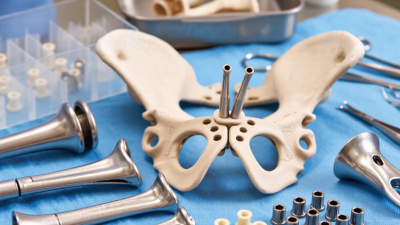
How to Choose an Orthopedic Implants Supplier?
Choosing an orthopedic implants supplier is a clinical, technical, and operational decision. It affects surgical consistency, patient safety, and long-term hospital performance. Price matters, but it should not dominate the evaluation.
A reliable supplier should provide clear material certificates, batch records, sterilization details, and product traceability. Ask how titanium alloys, cobalt-chrome components, or polymer materials are tested. Request evidence of quality systems, such as ISO 13485 certification, where relevant. Documentation should be current, readable, and easy to verify. Vague answers deserve attention.
Look beyond the catalog.
Assess the supplier’s engineering support, surgeon training, inventory planning, and complaint-response process. A dependable orthopedic implants supplier should explain product indications without promising unrealistic clinical outcomes. Its representatives should understand anatomy, instrumentation, packaging, and operating-room pressures. Speak with hospitals that use the products regularly. Their feedback may reveal delayed shipments, difficult instruments, or inconsistent communication.
Regulatory requirements differ by market, so independent verification remains essential. Check approvals, labeling, post-market surveillance, and recall procedures with qualified professionals. A supplier may have excellent products but weak service coverage. Another may offer attractive pricing but limited clinical education. Neither issue is obvious from a brochure. Build a comparison table, inspect sample documentation, and record every unanswered question. No supplier is flawless. The goal is not to find a perfect partner, but to identify manageable risks and reliable evidence. A careful review protects procurement teams, surgeons, and the patients who depend on each implant.
Read more »
By:Elara
- October 8, 2026
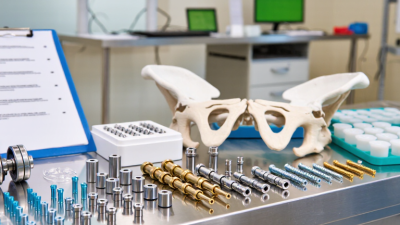
10 Tips for Choosing Orthopedic Implant Manufacturers
Selecting the right orthopedic implant manufacturers is a clinical and operational decision, not merely a purchasing exercise. The choice can influence surgical outcomes, inventory stability, patient confidence, and long-term costs. A reliable manufacturer should demonstrate controlled production, qualified personnel, consistent materials, and traceable documentation. Their claims should be supported by verifiable evidence, not attractive brochures alone.
Practical evaluation begins with the details. Ask how titanium, cobalt-chrome, polymers, or coatings are tested before production. Review inspection records, sterilization controls, packaging procedures, and batch traceability. Examine their quality management systems and relevant regulatory clearances. Independent audits can reveal weaknesses that sales presentations hide. Small details matter. A mislabeled tray or unclear lot record can create serious delays in the operating room.
Experience also deserves careful attention. Experienced orthopedic implant manufacturers understand surgical workflows, instrument compatibility, and the pressure of urgent supply needs. Request feedback from surgeons, hospitals, and distribution partners who have used their products consistently. Assess design support, training, complaint handling, and post-market surveillance. Ask difficult questions. Notice whether the answers are specific, documented, and timely.
There is no perfect supplier. Even respected companies may have limited capacity, communication gaps, or uneven support across regions. A thoughtful buyer should record these concerns rather than overlook them. Comparing manufacturers through a structured checklist can improve objectivity, but professional judgment remains essential. The strongest partnership combines technical competence, transparent communication, dependable delivery, and a shared commitment to patient safety.
Read more »
By:Elara
- October 8, 2026
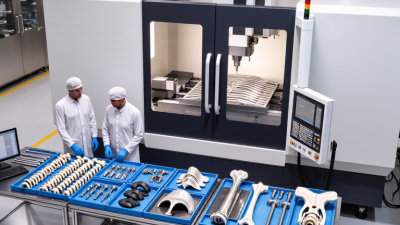
Who Is the Best Orthopedic Implants Manufacturer in China?
Choosing the best orthopedic implants manufacturer in China requires more than comparing prices or product catalogs. Hospitals and distributors need evidence of consistent quality, technical capability, and responsible communication. A reliable manufacturer should demonstrate ISO 13485-based quality management, clear product traceability, validated sterilization processes, and appropriate regulatory documentation. Its portfolio may include trauma plates, intramedullary nails, spinal systems, joint components, and surgical instruments. However, a broad catalog does not automatically prove clinical value.
The answer is not perfectly simple.
The right partner depends on the intended procedure, target market, material requirements, and purchasing model. Experienced buyers often inspect production lines, review inspection records, and ask how suppliers manage dimensional tolerances. A polished factory can still leave unanswered questions. That matters. Titanium implants should show controlled composition, surface treatment, and fatigue testing suited to their design. Manufacturers should also explain packaging integrity, batch control, complaint handling, and post-market support in practical terms.
This guide examines how to assess an orthopedic implants manufacturer in China through transparent and verifiable criteria. It considers manufacturing experience, engineering expertise, regulatory readiness, product development, and customer support. Independent certificates and test reports deserve careful review rather than automatic trust. Clinical claims should match available evidence. A supplier’s willingness to disclose limitations may be more valuable than confident marketing language.
Some companies excel in large-scale production. Others provide stronger customization or faster technical collaboration. There is no universal winner. The best choice is the manufacturer that consistently meets defined clinical, regulatory, and commercial requirements.
Read more »
By:Elara
- October 8, 2026