The global orthopedic market is expanding, but supplier selection remains difficult. Fortune Business Insights valued the orthopedic implants market at approximately USD 52.8 billion in 2023. Its report projects continued growth through 2032, driven by ageing populations, sports injuries, and rising joint-replacement procedures. These numbers show opportunity. They also signal stronger competition.
This guide examines 10 leading orthopedic implants and instruments suppliers through practical, evidence-based criteria. We consider product breadth, manufacturing experience, regulatory documentation, clinical support, and instrument reliability. Important standards include ISO 13485 quality systems, traceable materials, validated sterilization processes, and appropriate FDA or European regulatory clearances. A supplier’s catalogue may look impressive, yet surgeons need predictable fit, clear sizing, and instruments that perform consistently on the operating table.
Reports from Grand View Research and MarketsandMarkets describe sustained demand for joint reconstruction, trauma fixation, and spinal devices. However, market forecasts are not guarantees. Regional approvals, hospital procurement rules, surgeon preferences, and supply-chain disruptions can change the real purchasing decision. That part is often underestimated.
The selected companies are not ranked only by market visibility. Their technical capabilities, service networks, product development, and published quality commitments also matter. Evidence should guide the comparison. Marketing language should not.
A perfect supplier does not exist. Even established manufacturers may have gaps in delivery, training, or regional support. Readers should verify current certifications, recall histories, clinical evidence, and contract terms before making a decision. This overview offers a professional starting point for evaluating orthopedic implants and instruments suppliers with greater confidence and practical caution.
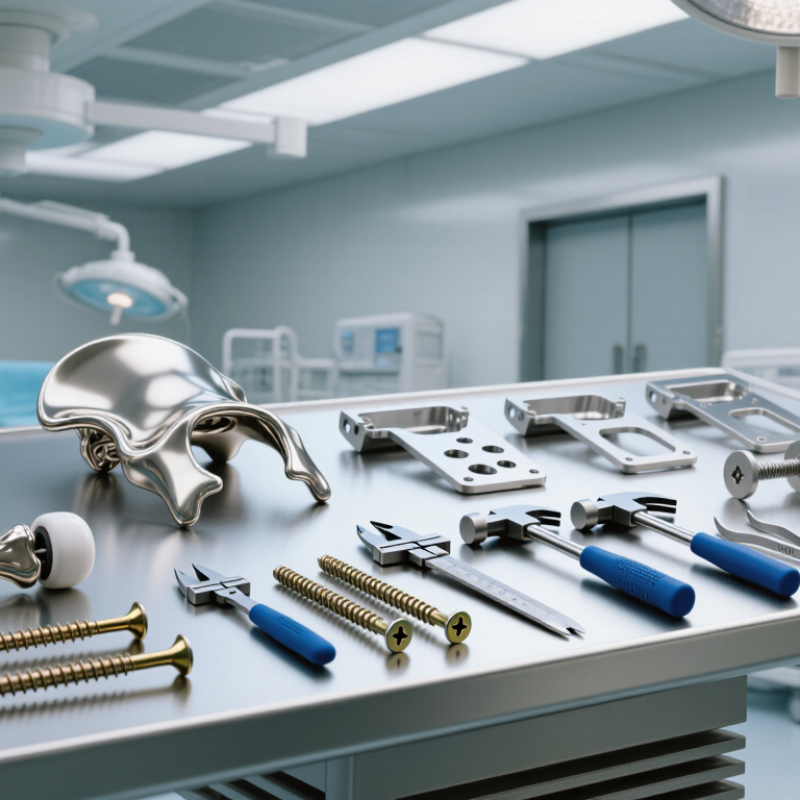
A reliable orthopedic implant and instrument supplier proves performance beyond a polished catalog. The World Health Organization reports that roughly one in ten patients experiences harm during healthcare, with more than half considered preventable. This places supplier controls at the center of patient safety, not at the edge of purchasing decisions.
Look for ISO 13485-based quality systems, documented design controls, and lot-level traceability. Every implant should connect to material certificates, sterilization records, inspection results, and a clear recall process.
The FDA’s Quality System Regulation also emphasizes production controls, complaint handling, and corrective actions. Ask for recent audit findings, not only certificates. Evidence matters.
Reliable suppliers also support surgeons after delivery. They provide instrument compatibility charts, surgical technique training, responsive technical support, and stable replacement planning. The 2023 WHO Global Patient Safety Report highlights the importance of learning from incidents and strengthening reporting systems. A supplier that shares complaint trends shows maturity. Yet no supplier is flawless. Lead times can slip, documentation can contain errors, and training may vary by region. Ask how the company detects those weaknesses, measures response time, and prevents recurrence. Quiet transparency is often more valuable than confident promises.
When evaluating the top ten orthopedic implant and instrument suppliers, clinical evidence should carry significant weight. Review peer-reviewed studies, post-market data, and documented complication rates. Ask whether results apply to your patient population, not only controlled trials. A polished catalog is not proof.
Assess product quality through material specifications, manufacturing controls, sterilization validation, and lot-level traceability. Request audit records and examine how the supplier handles complaints, recalls, and corrective actions. Instruments should feel balanced, fit securely, and remain reliable after repeated processing. Test them in realistic operating-room conditions. Small design flaws matter.
Supplier performance also depends on service. Compare delivery consistency, inventory depth, technical training, and response times for urgent requests. Calculate total cost, including instruments, maintenance, education, and replacement needs. Speak with surgeons, nurses, procurement teams, and biomedical engineers who have used the products. Their experience often reveals problems hidden by sales materials. No supplier scores perfectly. Our evaluation model may also favor measurable evidence over practical confidence, so weighting should be reviewed regularly. Verify every claim independently, document the findings, and avoid choosing solely on price.
This benchmark framework ranks the evaluation criteria commonly used in orthopedic procurement. Regulatory compliance, quality systems, and clinical evidence receive the highest weights because they directly influence patient safety, product reliability, and approval readiness. The percentages represent suggested evaluation priorities rather than performance scores for any specific company or brand.
Choosing among the ten leading orthopedic implant and instrument suppliers requires more than comparing catalog prices. Hospitals should examine clinical experience, manufacturing controls, and after-sales support. A reliable supplier provides traceable materials, clear sterilization instructions, and consistent documentation for every lot.
The strongest suppliers often specialize in different areas. One may focus on trauma plates and locking screws. Another may develop joint replacement systems with accurate sizing instruments. A third may supply spinal fixation sets, while others produce surgical drills, guides, or reusable trays. Suppliers with strong engineering teams usually test fatigue resistance, surface finish, and instrument compatibility. They also explain limitations honestly.
Look closely at surgeon training, response times, and inventory availability. A well-designed implant is less useful when replacement instruments arrive late. Ask for verification records, risk-management procedures, and evidence from monitored clinical use. Independent assessments can reveal details that promotional material misses. That matters.
Personal experience in operating-room procurement shows that small issues become expensive quickly. A poorly labeled tray can delay preparation. An unclear cleaning step can create avoidable risk. No supplier is perfect, and performance may vary between product lines. Buyers should review complaints, recall histories, and staff feedback instead of trusting reputation alone. Ten leading suppliers may appear similar, yet their quality systems, communication habits, and practical support can differ substantially.
Comparative overview of anonymized supplier profiles based on product scope, materials, compliance requirements, and clinical applications
| Rank | Supplier Profile | Primary Implant Portfolio | Instrument Portfolio | Common Implant Materials | Typical Standards and Regulatory Requirements | Typical Clinical Applications | Key Selection Strength |
|---|---|---|---|---|---|---|---|
| 1 | Global Joint-Reconstruction Supplier | Hip systems Knee systems Shoulder systems | Reusable trial systems, cutting guides, broaches, rasps, impactors, and alignment instruments | Titanium alloys, cobalt-chromium alloys, stainless steel, ultra-high-molecular-weight polyethylene, and ceramic components | ISO 13485 quality management; applicable medical-device regulations; ISO 10993 biological evaluation; implant-specific performance testing | Primary and revision joint replacement | Broad joint-reconstruction coverage and integrated surgical instrumentation |
| 2 | Spine-Focused Implant Supplier | Interbody cages Pedicle screws Rods Plates | Screwdrivers, taps, awls, rod benders, reducers, distractors, and minimally invasive access instruments | Titanium alloys, cobalt-chromium alloys, polyether ether ketone, and radiolucent polymer composites | ISO 13485; ASTM mechanical testing methods; ISO 10993 where applicable; regional device registration | Degenerative spine disease, deformity correction, trauma, and interbody fusion | Specialized spinal fixation and minimally invasive procedure support |
| 3 | Trauma and Fracture-Fixation Supplier | Compression plates Locking plates Intramedullary nails Screws | Drill guides, depth gauges, plate benders, reduction clamps, targeting arms, and extraction instruments | Titanium alloys, stainless steel, cobalt-chromium alloys, and titanium-grade fixation screws | ISO 13485; applicable fracture-fixation performance testing; sterilization validation for supplied sterile products | Upper- and lower-limb fractures, periarticular fractures, and polytrauma | Extensive fixation options for varied fracture patterns and bone quality |
| 4 | Sports-Medicine Implant Supplier | Suture anchors Interference screws Meniscal repair devices | Arthroscopic punches, drills, cannulas, guides, graspers, and knot-management instruments | Titanium alloys, bioabsorbable polymers, polyether ether ketone, and high-strength sutures | ISO 13485; ISO 10993 biological evaluation; mechanical pull-out and fatigue testing where applicable | Ligament reconstruction, rotator-cuff repair, labral repair, and meniscal treatment | Procedure-specific solutions for arthroscopic and soft-tissue repair |
| 5 | Maxillofacial and Cranial Implant Supplier | Cranial plates Facial plates Orbital implants Fixation screws | Low-profile drivers, contouring tools, bending instruments, drilling systems, and fixation forceps | Titanium and titanium alloys, polyether ether ketone, resorbable polymers, and surgical-grade stainless steel | ISO 13485; ISO 10993; anatomical-fit verification; imaging and dimensional validation where required | Cranial reconstruction, facial trauma, orbital repair, and corrective surgery | Low-profile designs and anatomy-specific reconstruction options |
| 6 | Small-Joint and Extremity Supplier | Hand implants Wrist implants Foot and ankle implants | Small-bone drills, trial components, alignment guides, reamers, screwdrivers, and sizing instruments | Titanium alloys, cobalt-chromium alloys, stainless steel, silicone elastomers, and ultra-high-molecular-weight polyethylene | ISO 13485; anatomical and biomechanical verification; applicable regional medical-device requirements | Small-joint arthroplasty, deformity correction, fusion, and extremity trauma | Compact systems designed for limited surgical exposure and smaller anatomy |
| 7 | Dental and Craniofacial Bone-Implant Supplier | Bone plates Fixation screws Bone-grafting accessories | Drills, depth gauges, screwdrivers, torque instruments, plate benders, and guided-surgery tools | Titanium, titanium alloys, zirconia, resorbable polymers, and surgical-grade stainless steel | ISO 13485; ISO 10993; sterilization validation; product-specific dental or craniofacial regulatory clearance | Oral and maxillofacial reconstruction, bone fixation, and guided implant procedures | Fine-scale instrumentation and compatibility with image-guided workflows |
| 8 | Patient-Specific and Additive-Manufacturing Supplier | Custom implants Porous structures Revision components | Patient-specific cutting guides, trial models, planning templates, and custom positioning instruments | Additively manufactured titanium alloys, cobalt-chromium alloys, polyether ether ketone, and medical-grade polymers | ISO 13485; process validation; powder and material traceability; cleaning and sterilization validation; patient-specific design controls | Complex revision surgery, bone-loss reconstruction, oncology, and severe deformity | Design flexibility for complex anatomy and customized surgical planning |
| 9 | Reusable Surgical Instrument Specialist | Limited implant range Fixation accessories Procedure kits | Retractors, elevators, osteotomes, forceps, rongeurs, mallets, clamps, and modular instrument trays | Stainless steel, cobalt-chromium alloys, titanium alloys, aluminum alloys, and engineering polymers | ISO 13485; ISO 17664 reprocessing information; cleaning, disinfection, and sterilization validation | General orthopedic, trauma, spine, and reconstructive procedures | Durability, tray customization, repairability, and hospital reprocessing support |
| 10 | Contract and Private-Label Orthopedic Manufacturer | Plates Screws Spinal components Custom assemblies | Customer-branded instrument sets, drilling systems, trial kits, and procedure-specific accessories | Titanium alloys, stainless steel, cobalt-chromium alloys, polyether ether ketone, and medical-grade polymers | ISO 13485; design-history documentation; supplier qualification; risk management under ISO 14971; market-specific regulatory submissions | Private-label orthopedic products, distributor programs, and regional product lines | Flexible manufacturing, customization, and lower-volume product development |
The strongest orthopedic suppliers usually specialize in distinct clinical needs. Supplier One offers trauma plates, locking screws, and titanium fixation systems. Supplier Two focuses on joint replacement implants, including hip stems and knee components. Supplier Three provides spinal cages, pedicle screws, and minimally invasive instruments. Supplier Four develops sports medicine anchors, interference screws, and arthroscopy tools. Supplier Five supplies external fixators and fracture reduction equipment.
Supplier Six produces surgical navigation tools and patient-specific cutting guides. Supplier Seven combines dental-grade imaging with orthopedic planning software. Supplier Eight manufactures sterile instrument trays, retractors, and powered handpieces. Supplier Nine offers porous metal implants designed to support bone integration. Supplier Ten provides revision systems for complex hip, knee, and shoulder procedures.
Technology matters as much as product range. Many suppliers use titanium alloys, cobalt-chromium, or advanced polymers. Some apply additive manufacturing to create porous surfaces and customized geometries. Others integrate digital templating, 3D imaging, and robotic assistance. Good clinical experience begins with clear sizing charts and realistic handling feedback. It also requires validated sterilization, lot traceability, and dependable technical support. I would question impressive claims without published testing. Marketing language can sound stronger than the evidence. Surgeons should compare fatigue data, implant compatibility, training quality, and regulatory documentation before selection. Small instrument details matter. A poorly balanced handle can slow an otherwise efficient procedure.
Choosing an orthopedic implant and instrument supplier requires more than comparing prices. Hospitals should examine clinical evidence, manufacturing controls, and post-market support. The FDA’s 2023 medical device reporting data shows why traceability matters: device-related incidents are reported across many product categories, including implants. Ask for lot-level tracking, recall procedures, sterilization records, and clear complaint-response timelines.
Look closely.
ISO 13485 certification supports quality management, but it does not replace independent verification. Procurement teams should review audit findings, product training, instrument availability, and average replacement times. The OECD Health Statistics 2023 report shows substantial differences in joint-replacement activity between countries, so supplier capacity must match local surgical demand. A reliable partner should provide compatible instruments, surgeon education, and documented technical support without disrupting operating-room schedules.
Cost analysis should include revision risk, inventory storage, loaner-set logistics, and staff training. The 2024 Global Orthopedic Devices Market report projects continued market expansion, increasing supplier choices and evaluation pressure. Yet market growth is not proof of clinical value. Ask surgeons to assess handling, visibility, fit, and workflow under realistic conditions. Review published clinical studies, not only sales materials.
Some decisions remain imperfect.
A supplier may offer strong data but weak local support. Another may deliver quickly but provide limited long-term evidence. Hospitals should record these trade-offs, involve surgeons and sterilization teams, and reassess performance through complication rates, delivery accuracy, and user feedback. Quality records should stay current, accessible, and independently reviewable.
Look for a documented quality system, design controls, and lot-level traceability. Each implant should link to material certificates, sterilization records, and inspection results. Evidence matters more than a polished catalog.
It connects an implant to its materials, production checks, and sterilization history. This supports focused investigations, patient records, and timely recall decisions. Clear links reduce confusion.
Request verification records, risk-management procedures, sterilization instructions, and recent audit findings. Also review complaint trends and corrective-action records. Certificates alone may be insufficient.
Ask for compatibility charts covering implants, drills, guides, trays, and related instruments. Confirm sizes and connection points before surgery. Small mismatches can delay preparation.
Useful support includes surgical technique training, technical assistance, replacement planning, and clear cleaning guidance. Response times should be measurable. Promises need practical proof.
Compare clinical experience, manufacturing controls, inventory availability, and after-sales service. Review each product line separately because performance may vary. Reputation is not enough.
Watch for poorly labeled trays, unclear cleaning steps, late replacement instruments, and incomplete documentation. These details can create avoidable delays or safety risks. Small problems grow.
No supplier is flawless. Lead times can slip, documents can contain errors, and training may differ by region. Ask how weaknesses are detected, measured, and prevented from recurring. That answer can reveal maturity.
Choosing among the ten best orthopedic implants and instruments suppliers requires more than comparing product prices. A reliable supplier should demonstrate consistent manufacturing quality, regulatory compliance, strong clinical support, transparent documentation, dependable delivery, and a proven commitment to patient safety. Hospitals and surgeons should also evaluate the supplier’s experience, customization capabilities, training services, warranty policies, and responsiveness throughout the purchasing and after-sales process.
The leading suppliers typically offer a broad portfolio, including trauma fixation systems, joint replacement components, spinal devices, surgical instruments, navigation tools, and specialized solutions for minimally invasive procedures. Their technologies may include advanced materials, precision manufacturing, digital planning, and instrument systems designed to improve surgical efficiency. To select the right partner, healthcare organizations should match product performance, clinical requirements, budget, staff training needs, and long-term service capacity. A careful, evidence-based evaluation helps ensure that orthopedic implants and instruments support safe procedures, efficient workflows, and reliable patient outcomes.