An orthopedic implant factory is more than a production floor with polished machines. It is a controlled system where design files, material certificates, machining records, and inspection results must connect. A titanium component may pass through CNC milling, surface finishing, cleaning, and dimensional checks before it is ready for further evaluation. Small details matter. A rough edge can raise questions about fit, wear, or process control.
“A dependable implant is built on repeatable control, not polished claims.” — [Insert a verified orthopedic manufacturing expert’s name and sourced quotation.]
Choosing an orthopedic implant factory takes more than comparing prices or viewing a clean facility. Ask how the supplier controls material traceability, validates manufacturing steps, documents inspections, and manages design changes. Request examples of relevant production experience, and clarify which processes are performed in-house. A capable partner should explain its controls in plain language and provide records that support its claims. Look closely at sample documentation, not only the finished part.
There is no perfect checklist. Needs vary by implant type, material, and development stage. A factory suited to a mature product may not fit an early prototype. And a confident sales presentation is not proof. Verify each claim against available evidence, and involve qualified engineering and quality professionals in the review. This guide explains what an orthopedic implant factory does and how to assess one with care. The quotation above needs a real, verifiable source before publication; inventing an expert attribution would weaken trust.
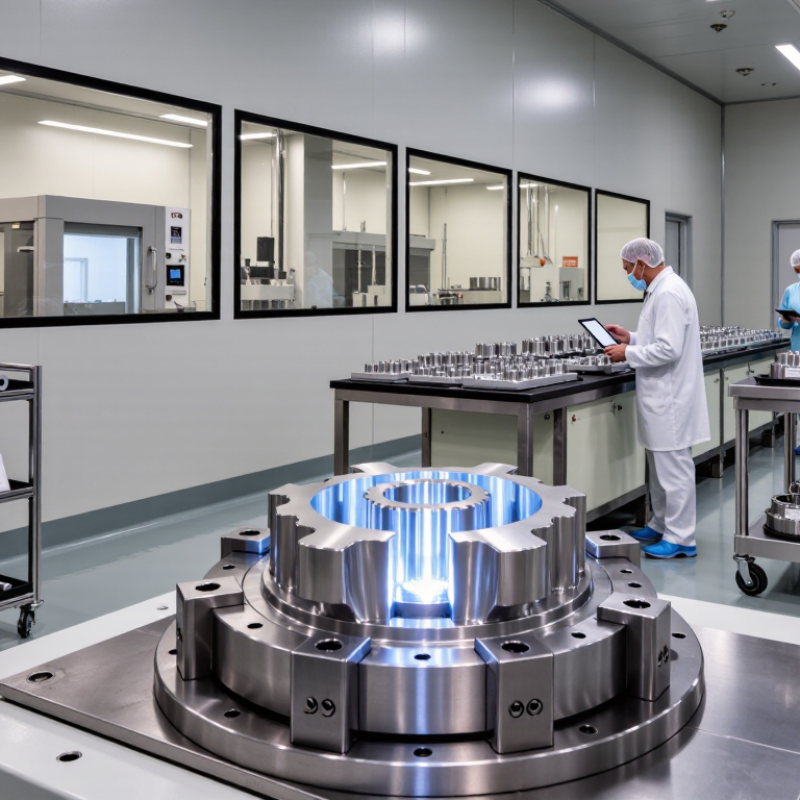
What an Orthopedic Implant Factory Is and What It Produces
An orthopedic implant factory makes devices designed to support, replace, or stabilize parts of the musculoskeletal system. Its products may include bone plates, screws, intramedullary nails, joint components, and spinal implants. The exact range depends on the facility’s equipment and technical scope. Some factories also produce surgical instruments, but these are not implants themselves.
Production can involve cutting, machining, forming, polishing, cleaning, and packaging. Materials may include titanium alloys, stainless steel, or medical-grade polymers, selected according to the device’s intended use and design requirements. For example, a machined screw needs consistent threads and dimensions so it can work with its intended system. Small details matter. Quality checks may examine measurements, surface finish, material records, and cleanliness at different stages. A polished surface alone proves little; inspection records and traceable measurements matter too.
Not every factory performs every step in-house. Some rely on qualified suppliers for raw materials, finishing, or sterilization, so the factory’s role should be described carefully. Production records can help connect a finished device with its materials and processing history. Yet paperwork cannot replace sound manufacturing controls. Even a neat-looking component may have a dimensional issue that is difficult to see without proper measurement. These facilities turn engineering designs into physical devices, while their specific processes and responsibilities can vary.
What Is an Orthopedic Implant Factory and How to Choose One? - What an Orthopedic Implant Factory Is and What It Produces
| Dimension | What It Means | Typical Examples | What to Check When Choosing a Factory |
|---|---|---|---|
| Factory definition | A specialized medical-device manufacturing facility that makes implants and, in many cases, the instruments used to place them. | Design transfer, material processing, machining, inspection, cleaning, packaging, and production records. | Confirm which activities are performed in-house and which are outsourced, including sterilization and special processes. |
| Joint-replacement implants | Components intended to replace or support parts of joints. | Hip stems and cups, knee components, and shoulder components; designs and materials vary by intended use. | Review relevant product experience, dimensional controls, surface-finish requirements, and traceability. |
| Trauma fixation devices | Devices used to stabilize bones during healing. | Bone plates, screws, intramedullary nails, and wires. | Ask how critical dimensions, mechanical properties, and compatibility within a system are verified. |
| Spinal implants | Implants designed to support or stabilize the spine, depending on the procedure and indication. | Pedicle screws, rods, plates, and interbody devices. | Check design controls, dimensional inspection methods, and evidence supporting the intended use. |
| Common materials | Materials are selected according to the device design, mechanical demands, and intended contact with the body. | Titanium and titanium alloys, stainless steel, cobalt-chromium alloys, and polymers such as UHMWPE; some applications use ceramics. | Request material specifications, supplier controls, certificates, and lot-level traceability. |
| Manufacturing processes | Processes convert approved designs and materials into finished or semi-finished device components. | CNC machining, forming, forging or casting where appropriate, additive manufacturing for selected designs, and surface finishing. | Assess process validation where required, equipment maintenance, operator training, and controls for outsourced processes. |
| Instruments and accessories | Reusable or single-use tools may be manufactured to support implant preparation, placement, or removal. | Drill guides, drivers, trial components, and instrument sets. | Confirm fit with the intended implant system, cleaning instructions, and reprocessing validation where applicable. |
| Inspection and quality records | Quality controls help verify that products meet approved specifications and applicable requirements. | Incoming-material checks, in-process inspection, final inspection, nonconformance handling, and device-history records. | Review the quality-management system, audit findings, corrective-action process, and access to applicable records. |
| Regulatory and biological evaluation | Requirements depend on the product, intended market, and regulatory classification. | A quality system may be based on ISO 13485; risk management commonly follows ISO 14971, and biological evaluation may use the ISO 10993 series as applicable. | Verify current certificates and product-specific regulatory evidence for the markets where the device will be supplied. |
| Cleaning, packaging, and sterilization | Products are cleaned and packaged according to their design and supplied condition; sterilization arrangements differ by product. | Validated cleaning, protective packaging, and either sterile supply or instructions for sterilization before use, as applicable. | Clarify who performs sterilization, how packaging integrity is controlled, and what validated instructions accompany the product. |
| Supplier selection | A suitable factory should demonstrate capability for the specific device and target market, not just general manufacturing capacity. | Technical capability, quality systems, capacity, delivery planning, change control, and communication. | Compare documented evidence, audit results, product-specific experience, lead times, and change-notification procedures. |
FAQS
Designers consider anatomy, expected loads, imaging, and clinician feedback. Even a few millimeters can affect fit and movement.
They let teams assess fit and stress before production. Prototypes can reveal overlooked problems, but they cannot prove long-term performance.
Depending on the design, production may involve precision machining, forming, or additive processes. Each needs controlled settings and inspection.
Teams should check dimensions, surface finish, and material records. A tiny burr can matter. Cleaning and validated sterilization also prepare the device.
Ask for records linking a finished implant to its material lot, process history, and inspection results. Paperwork matters more.
Ask how it validates changes, handles nonconforming parts, and investigates complaints. Review relevant certificates and audit findings, then confirm their scope and current status.
No. A tour offers a useful view, but batch records and calibrated measurement methods provide stronger evidence. One visit cannot show everything.
Discuss design revisions, delivery risks, and how issues will be reported. A capable factory should explain limitations. Vague answers deserve a closer look.
Conclusion
An orthopedic implant factory is a specialized manufacturing facility that develops and produces medical devices used to support, repair, or replace bones and joints. Its products may include plates, screws, rods, joint components, and other fixation devices, made from materials such as titanium alloys, stainless steel, or medical-grade polymers. Each material and implant design is selected to suit the device’s intended application, strength requirements, and interaction with the body.
From initial design and prototyping through machining, finishing, and packaging, production depends on controlled processes and careful inspection. A reliable orthopedic implant factory should maintain documented quality systems, conduct appropriate material and performance testing, and meet relevant regulatory requirements. When choosing a facility, buyers can assess its technical capabilities, manufacturing consistency, traceability, communication, and experience with the required implant types. These factors help determine whether a factory can deliver products that meet defined specifications and support dependable clinical use.