Featured Orthopedic Implant Systems
Precision-engineered trauma, spinal, maxillofacial, and veterinary solutions manufactured under strict CE, FDA 510(k), and ISO 13485 certifications.
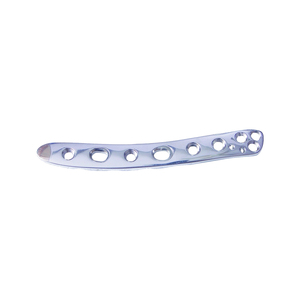
Wholesale Rate Stainless Steel Orthopedic Implants High Quality CE Certified Lightweight Medical Professional Customizable
Get a Quote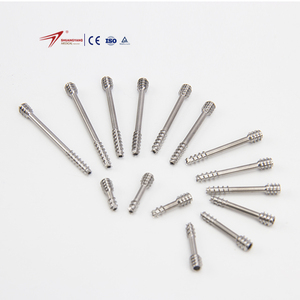
Trauma Surgery Orthopedic Implants Compression Headless Bone Screws Price Titanium Cannulated Orthopaedic Herbert Screw
Get a Quote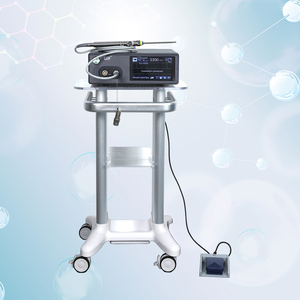
Manufacturer Wholesale Orthopaedics Department Endoscopy Surgery Dynamic System Hospital Use with Machinery Power Source
Get a Quote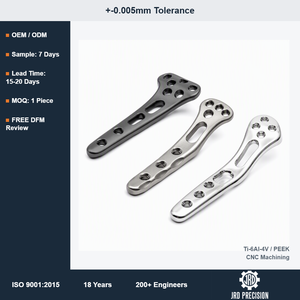
Medical Grade Orthopedic Implant Precision 5 Axis CNC Machining ±0.005mm Titanium Ti6Al4V ISO 9001 CMM Certified Custom OEM ODM
Get a Quote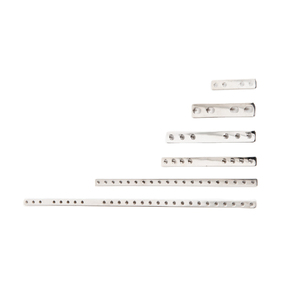
Fast Shipping MEDICA Brand CE Certified Stainless Steel Veterinary Orthopedic Trauma Implants 2.0/2.4/2.7mm Straight Neutral
Get a Quote
CE Marked China Manufacture PFNA Femoral Intramedullary Nail Orthopedic Implant Titanium OEM Fule Brand Class III 5-Year
Get a Quote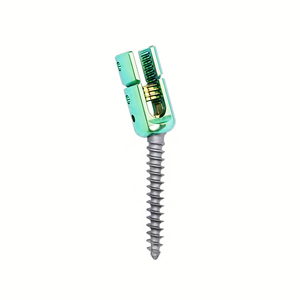
Original New 6.0 Polyaxial Reduction Spine Screw System Titanium Orthopedic Surgical Implants Fixation Pedicle Spinal Hospital
Get a Quote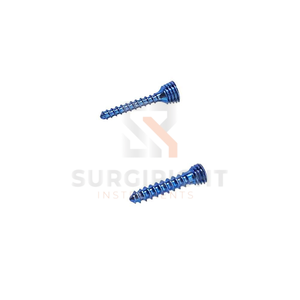
OEM Bone Screw Manufacturer Medical Grade Orthopedic Implant Supplier For Trauma And Fracture Fixation by SurgiRight
Get a Quote1. Executive Summary & Industry Sourcing Overview
The global orthopedic implants sector is experiencing a paradigm shift driven by demographic aging, expanding trauma surgery demand, and rapid advancements in custom patient-specific implants. B2B medical procurement directors, OEM brand owners, and hospital purchasing committees face complex challenges in selecting qualified contract manufacturing partners. Sourcing Class III and Class IIb orthopedic devices requires a strict balance between regulatory compliance (CE marking under EU MDR, FDA 510(k), ISO 13485 QMS), metallurgical integrity, sub-micron machining tolerances, and supply chain scalability.
This technical whitepaper provides an exhaustive analysis of the custom orthopedic implant manufacturing landscape. Based in Changzhou, Jiangsu—China's premier high-precision medical device cluster—leading factories such as Trauhui Medical offer comprehensive OEM and ODM solutions across trauma fracture fixation, complex spinal reconstruction systems, craniomaxillofacial (CMF) plating, and veterinary orthopedic implants.
Key Insight for Procurement Officers: A certified custom orthopedic implants manufacturer must demonstrate full material traceability, batch-level CMM optical inspections (±0.005mm accuracy), certified cleanroom packaging, and documented biomechanical fatigue testing (ASTM F1717 / ASTM F543) to pass international regulatory audits seamlessly.
2. Advanced Metallurgy & Precision Machining Standards
Orthopedic implants operate under extreme cyclic fatigue loading and corrosive biological environments within the human body. Manufacturing excellence hinges on raw material selection and ultra-precise Swiss 5-axis CNC machining.
2.1 Biomaterial Selection Criteria
- Titanium Alloy (Ti-6Al-4V ELI / Grade 23 & Grade 5): Outstanding strength-to-weight ratio, superior biocompatibility, and low elastic modulus to mitigate stress shielding in cortical bone. Standard material for intramedullary nails, pedicle screws, and locking plates.
- Medical Grade Stainless Steel (316L / ISO 5832-1): Exceptional ductility, fatigue limit, and shear strength. Commonly specified for trauma pins, K-wires, Herbert screws, and veterinary plate systems where cost-efficiency and mechanical rigidity are paramount.
- PEEK (Polyetheretherketone): Radiolucent biomaterial matching the modulus of elasticity of human cancellous bone. Used primarily in interbody fusion cages (ACDF, TLIF, XLIF) to facilitate radiographic post-operative monitoring.
| Parameter | Ti-6Al-4V ELI (Grade 23) | Stainless Steel 316L | PEEK Polymer |
|---|---|---|---|
| Tensile Strength (MPa) | ≥ 860 MPa | ≥ 620 MPa | 90 – 100 MPa |
| Modulus of Elasticity (GPa) | 110 GPa | 193 GPa | 3.6 GPa |
| Density (g/cm³) | 4.43 g/cm³ | 7.95 g/cm³ | 1.32 g/cm³ |
| Biocompatibility Standard | ISO 5832-3 / ASTM F136 | ISO 5832-1 / ASTM F138 | ASTM F2026 |
| Primary Application | PFNA Nails, Pedicle Screws | Trauma Screws, Neutral Plates | Spinal Interbody Cages |
2.2 High-Precision 5-Axis CNC Micromachining & Surface Engineering
Modern implant factories deploy high-precision 5-axis DMG MORI, Citizen, and Star CNC Swiss-type lathes to execute complex thread geometry, cannulated channels, and variable angle locking holes in a single setup. Machining tolerances are held within ±0.005 mm. Surface finishing processes—including Type II anodic oxidation, micro-bead blasting, and HA (hydroxyapatite) thermal spray coating—are meticulously regulated to enhance osseointegration and prevent thread galling during surgical insertion.
Sub-Micron Machining
5-axis Swiss-turn CNC manufacturing maintaining precise dimensional tolerances up to ±0.005mm for complex cannulated bone screws and plates.
Cleanroom Packaging
Class 100,000 (ISO Class 7) cleanroom facilities equipped with automated ultrasonic washing, dust-free double-blister sealing, and EO sterilization.
Regulatory Traceability
Complete batch history records, spectral raw material analysis certificates, and full compliance with EU MDR, FDA 510(k), and ISO 13485 QMS.
3. Clinical Specialties & Core Product Architecture
A established custom orthopedic implants manufacturer provides structured product lines covering trauma, spine, craniomaxillofacial, and specialized veterinary surgical domains.
3.1 Trauma Surgery & Fracture Fixation Systems
Trauma products constitute the backbone of emergency orthopedic interventions. Primary configurations include:
- PFNA (Proximal Femoral Nail Antirotation): Titanium intramedullary nail systems designed for intertrochanteric fractures, offering superior rotational stability via a helical blade mechanism.
- Variable Angle Locking Plates (Cottey-MD Series): Anatomically contoured plates allowing multiaxial screw insertion (±15° trajectory) to secure complex periarticular and osteoporotic fractures.
- Herbert & Headless Compression Bone Screws: Cannulated titanium screws with differential thread pitches to deliver compression across scaphoid, osteochondral, and small bone fracture lines.
- External Fixation Systems (Titan-Fix Circular Ring Fixators): Modular ring constructs engineered for complex open fracture stabilization, deformity correction, and limb lengthening procedures.
3.2 Spinal Implant Systems & Arthroplasty
Spinal fixation requires extreme biomechanical reliability to support load distribution while preserving neurological structures:
- 6.0 Polyaxial Reduction Pedicle Screw System: Designed for scoliosis correction and spinal trauma, featuring high-angle friction heads, dual-lead thread profiles, and self-tapping flutes.
- 3D Printed Porous Titanium Cages: Additive manufactured cages featuring interconnected biomimetic porous lattices (60-70% porosity) that accelerate bony ingrowth without bone graft displacement.
- Motion-Preserving Cervical Discs (Coahard System): Artificial cervical disc implants designed to preserve segment mobility and reduce adjacent segment degeneration (ASD) following discectomy.
- Telescopic Corpectomy Systems: Continuously expandable titanium cages facilitating precise height restoration in anterior thoracic and lumbar reconstructive surgery.
3.3 Craniomaxillofacial (CMF) & Veterinary Orthopedics
Low-profile 1.5mm, 2.0mm, and 2.4mm titanium plate systems provide stable fixation for micro-fractures, orthognathic surgery, and cranial reconstruction. Concurrently, specialized veterinary lines (such as the Lovan Animal Plate System) offer tailored anatomical plates for canine TPLO (Tibial Plateau Leveling Osteotomy) and small animal trauma cases.
4. Future Procurement & Global Market Trends (2025–2030)
As healthcare systems worldwide move toward value-based procurement and cost-effective surgical care, hospital networks and medical device brands are changing their supply chain strategies:
4.1 Rise of 3D Printing & Patient-Specific Implants (PSI)
Standard off-the-shelf implants are increasingly supplemented by custom 3D printed titanium devices generated from patient CT scan DICOM data. Contract manufacturers with integrated electron beam melting (EBM) and selective laser melting (SLM) technology provide significant competitive advantages by reducing lead times for custom oncological and complex deformity implants.
4.2 Supply Chain Consolidation & Contract Manufacturing (OEM/ODM)
To reduce capital expenditures and regulatory friction, global OEM brand owners are consolidating vendor networks. Multi-certified manufacturers offering turnkey capabilities—from CAD/CAM joint design, finite element analysis (FEA), mold forging, dynamic fatigue testing, to private-label sterile blister packaging—are taking over primary manufacturing roles.
4.3 Harmonization of Global Regulatory Requirements
The transition from the European MDD to the strict Medical Device Regulation (EU MDR 2017/745) has elevated technical documentation standards. Buyers are increasingly prioritizing factories with established CE certificates, FDA 510(k) clearances, and ISO 13485 audited Quality Management Systems to de-risk market access across Europe, Southeast Asia, Latin America, and the Middle East.
5. Enterprise Advantages of Partnering with Trauhui Medical
Situated in the heart of Changzhou’s medical industrial zone, Trauhui Medical Co., Ltd represents top-tier Chinese orthopedic manufacturing capability. With over 15 years of dedicated R&D and manufacturing experience, Trauhui Medical has developed into a trusted global supply partner for distributors and medical brands across 30+ countries.
Mass Production Capacity
Over 150 sets of advanced 5-axis CNC machining centers and testing equipment delivering an annual capacity of 350,000+ precision implant components.
International Certifications
CE marked and FDA 510(k) registered product lines supported by a fully certified ISO 13485 Quality Management System audited by TÜV Rheinland.
Rapid Order Fulfillment
Expedited lead times within 15 days for standard catalog orders due to large raw material safety stock and optimized production scheduling.
Trauhui Medical operates a dedicated 30+ engineer R&D center focused on custom CAD modeling, rapid prototype sampling, FEA mechanical stress validation, and complete private-label packaging solutions. By managing every process step in-house, Trauhui Medical maintains consistent product quality while reducing landed costs for international procurement partners.
6. Frequently Asked Questions (FAQ) for B2B Buyers
Which regulatory certifications do Trauhui Medical implants hold for international markets?
Trauhui Medical orthopedic implant systems hold CE Mark certification and FDA 510(k) clearance, manufactured under a certified ISO 13485 quality management system. Full technical files, design dossiers, material test reports, and sterilization validation data are provided to authorized distributors to streamline local registration in target countries.
What is the workflow and timeline for custom OEM/ODM implant customization?
The customization workflow follows five distinct stages: (1) Technical drawing review and CAD file submission; (2) FEA mechanical simulation & design optimization; (3) Rapid CNC prototyping and CMM measurement verification; (4) Pre-production batch trial & functional fitting; (5) Final mass production, anodization, and private-label blister packaging. Prototype samples are typically completed within 15–20 working days.
What metallurgical grades are utilized for trauma bone screws and spinal hardware?
We source medical-grade Titanium Alloy Ti-6Al-4V ELI (ASTM F136 / ISO 5832-3), High-Cleanliness Stainless Steel 316L (ASTM F138 / ISO 5832-1), and Implantation Grade PEEK (ASTM F2026). Every raw material lot undergoes optical emission spectroscopy and mechanical tensile testing prior to machining release.
What are the standard order lead times and Minimum Order Quantities (MOQ)?
Standard catalog items maintained in inventory can be dispatched within 10 to 15 business days. Flexible MOQs are available for new regional distributors, while custom OEM manufacturing runs are scheduled based on design complexity and production batch sizes.
How does your quality lab verify implant fatigue and static strength standards?
In-house testing laboratories perform mechanical static, dynamic fatigue, and axial pull-out testing according to standardized international protocols, including ASTM F1717 (Spinal Implant Constructs), ASTM F543 (Metallic Medical Bone Screws), and ASTM F2077 (Interbody Fusion Devices), ensuring long-term clinical safety.
Can international buyers perform on-site factory audits in Changzhou?
Yes, we welcome quality management teams, regulatory auditors, and hospital procurement representatives to inspect our manufacturing facilities, Class 100,000 cleanrooms, precision CMM testing labs, and raw material warehouses at our Changzhou headquarters.
Partner with a Leading Orthopedic Implants Manufacturer
Contact our medical engineering consultants today to request catalog documentation, request CAD/OEM customization quotes, or schedule a facility audit.
Get a Quote