Featured Orthopedic Implant & Instrument Systems
High-precision orthopedic trauma, spine, dental, and veterinary implants manufactured under strict ISO 13485 QMS with full CE & FDA regulatory compliance.
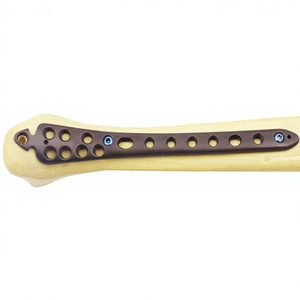
Orthopedic Titanium Trauma Implant Distal Tibial Medial Locking Plate Bone Fracture Internal Fixation Medical CE ISO Certified
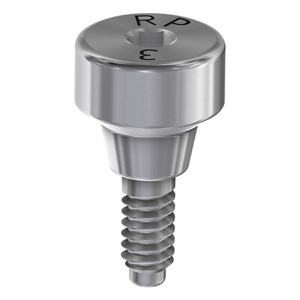
Multi-Unit Abutment Conical Connection Internal Hex Compatible Implant System Titanium Prosthetic Component Dental Clinic
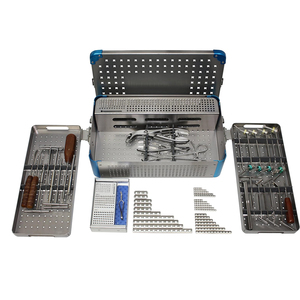
Tegra Surgical Locking Plate Screw Orthopedic Implants Instrument Set Manual Top Value Trauma Stainless Steel Veterinary Bone
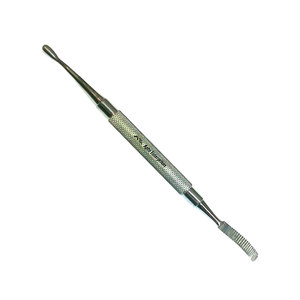
Dental Instruments Premium Implantology Orthopedic Scraper Precision Lifetime Best Quality Manual Bone Molt Elevator File Miller
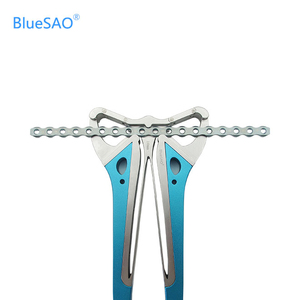
Wholesale Price Bluesao Veterinary Bone Implants Titanium Orthopedic Implants
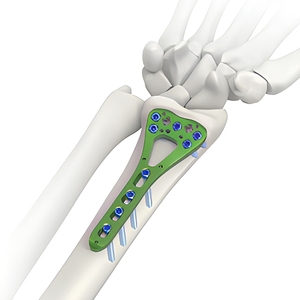
Orthopedic Trauma Implant Multi-axial Locking Plate Pure Titanium Distal Radius Medial Fracture Bone Fixation MDR/ISO 13485
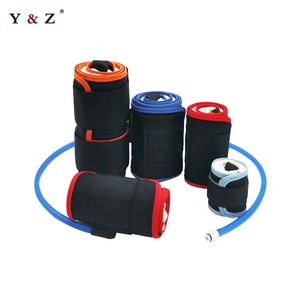
High Quality Orthopedic Pneumatic Tourniquet Cuff Electricity Powered ABS Reusable CE Certified OEM/ODM China Manufacturer
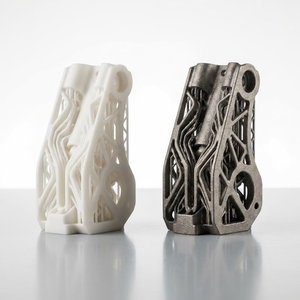
ISO 13485 Biocompatible Titanium SLM 3D Printed Bone Implants for Orthopedic Surgery
Strategic Procurement Whitepaper: Evaluating Top-Tier Chinese Orthopedic Manufacturers
The global orthopedic implant landscape is undergoing a structural realignment. Healthcare systems, surgical centers, and regional medical device distributors face mounting margin pressures alongside stringent regulatory audits under EU MDR (2017/745) and US FDA regulatory pathways. As hospital procurement teams seek high-performance internal fixation devices without compromising surgical outcomes, China's orthopedic manufacturing ecosystem—centered in Changzhou, Jiangsu—has matured into an international powerhouse of mechanical precision and metallurgical innovation.
Distributors evaluating orthopedic manufacturers and exporters in China must look beyond superficial catalog offerings. True competitive advantage stems from verifying raw material traceability (such as implant-grade Titanium Ti-6Al-4V ELI conforming to ASTM F136 or PEEK OPTIMA), precision CNC machining capabilities (5-axis Swiss-type turning centers), zero-defect quality control workflows, and comprehensive clinical regulatory file support. Trauhui Medical exemplifies this transformation, bridging state-of-the-art additive manufacturing with specialized surgical instrumentation.
Core Procurement Insight: Sourcing orthopedic implants from top Chinese manufacturers provides distributors with up to 40% landed-cost optimization while maintaining 100% compliance with ISO 13485 QMS and CE certifications. Total quality control requires verifying raw material certificates of analysis (CoA) and fatigue test reports per ASTM F382 and ASTM F1264.
Whether sourcing anatomical variable-angle locking plates, complex pediatric/adult spinal deformity systems, craniomaxillofacial (CMF) micro-plating, or veterinary orthopedic hardware, global buyers must establish structured auditing protocols. This technical guide outlines material standards, emerging procurement trends, engineering benchmarks, and partner evaluation criteria essential for hospital tenders and private-label OEM initiatives.
Enterprise Infrastructure & Technical Capabilities
Established in 2009 in Changzhou, Jiangsu—China's recognized orthopedic capital—Trauhui Medical delivers end-to-end device development, micro-machining, cleanroom sterile packaging, and global regulatory registration support.
In-House Metallurgical & CNC Precision
Operating over 150 sets of advanced 5-axis DMG MORI and Citizen CNC machining centers, Trauhui ensures ultra-precise tolerances (within ±0.005mm) across complex geometries including distal radius locking plates, intramedullary nails, and pedicle screw threads.
Rigorous ISO 13485 & CE Quality System
Our Class 100,000 cleanrooms and ISO 17025 accredited testing laboratories conduct mechanical static and dynamic fatigue testing, bio-burden assessment, and micro-CT structural scanning for every batch prior to commercial release.
Complete OEM / ODM Private-Label Engineering
From custom 3D DICOM-to-CAD anatomical modeling to customized instrument kit design and laser marking, our dedicated 30+ member R&D engineering team translates surgeon concepts into CE-marked commercial implant systems within short lead times.
Global Orthopedic Procurement & Future Technology Trends
Strategic analysis of technological shifts defining orthopedic surgical devices through 2030, guiding distributors toward future-proof portfolio investments.
1. SLM 3D Printing & Trabecular Implants
Selective Laser Melting (SLM) additive manufacturing allows direct fabrication of porous titanium structures with 60–80% porosity mimicking human cancellous bone. This architecture eliminates stress shielding and drastically reduces interbody fusion cage subsidence in spinal procedures.
2. Polyaxial & Variable-Angle Locking Tech
Traditional monoaxial locking screws are rapidly giving way to multi-axial and variable-angle plate systems. Surgeons demand ±15° cone angularity to target high-quality bone fragments in intra-articular periarticular fractures of the distal tibia, humerus, and distal radius.
3. Surface Modification & MAO Coatings
Micro-Arc Oxidation (MAO) and specialized silver-hydroxyapatite antibacterial coatings are redefining infection mitigation. Modern buyers prioritize implants engineered with osteoinductive surface topologies that enhance early osseointegration while discouraging bio-film formation.
4. Rapid Supply Chain Localization & Stock Readiness
Distributors require guaranteed standard stock replenishment within 15 days. Factory partners with vast raw material reserves, modular tooling setups, and in-house anodization lines buffer global distributors against geopolitical and logistical disruptions.
Technical Material Specification Matrix for Orthopedic Buyers
To assist procurement committees in conducting risk evaluations, the table below compares primary metallurgical and polymeric raw materials utilized across Trauhui Medical's trauma, spinal, CMF, and veterinary product lines.
| Material Specification | Standard Reference | Mechanical Yield Strength | Primary Clinical Application | Biocompatibility Advantage |
|---|---|---|---|---|
| Titanium Alloy (Ti-6Al-4V ELI) | ASTM F136 / ISO 5832-3 | ≥ 795 MPa | Trauma Plates, Locking Screws, Spinal Pedicle Screws | Exceptional fatigue strength, reduced magnetic susceptibility for MRI imaging, optimal osseointegration. |
| Unalloyed Pure Titanium (Grades 2 & 4) | ASTM F67 / ISO 5832-2 | 275 – 480 MPa | CMF Reconstruction Plates, Distal Radius Volar Plates | Superior ductility allowing contoured anatomical bending without structural micro-fractures. |
| PEEK (Polyetheretherketone) | ASTM F2026 | ≥ 95 MPa | TLIF, ACDF, XLIF Interbody Fusion Cages | Radiolucent profile for post-op fusion evaluation; elastic modulus (3.6 GPa) closely matches cortical bone. |
| Implant-Grade Stainless Steel (316LVM) | ASTM F138 / ISO 5832-1 | ≥ 690 MPa | Veterinary Orthopedic Fixation, External Fixators | High tensile rigidity, cost-effective structural support for temporary load-bearing fracture repair. |
| 3D Printed Porous Ti (SLM Matrix) | ASTM F3001 | Tailored (100–150 MPa) | Custom Bone Loss Scaffolds, Trabecular Cages | Interconnected porous lattice (300-600µm pore size) accelerating direct bone cell migration and vascularization. |
Frequently Asked Sourcing & Technical Questions
Direct answers to crucial commercial, regulatory, and quality control inquiries raised by medical device importers and distributor partners.
Which international certifications do Trauhui Medical orthopedic implants carry for global registration?
Trauhui Medical products hold full CE certification under European medical device standards and US FDA 510(k) clearances for key spinal and trauma systems. Our total quality management facility operates strictly under ISO 13485:2016. Complete technical files (STED format), biocompatibility reports (ISO 10993), packaging validation, and clinical evaluation reports (CER) are immediately available to authorized distributors to streamline national health authority registration.
What are the key differences between monoaxial and variable-angle locking plate systems in trauma surgery?
Monoaxial locking plate systems dictate a fixed screw insertion trajectory perpendicular to the plate hole, which works effectively for straightforward shaft fractures. Variable-angle (polyaxial) locking plate systems feature specialized threaded holes and hardened titanium alloy screws allowing surgeons to construct a rigid locking construct within a ±15° trajectory cone. This freedom enables targeted fragment fixation in complex articular fractures (such as distal tibia or distal humerus) while avoiding joint space penetration.
Does Trauhui Medical support private-label OEM and custom orthopedic instrument development?
Yes. We provide complete OEM/ODM solutions for international brands, hospital networks, and large-scale distributors. Our engineering scope covers custom implant dimensional modifications, dedicated surgical instrument tray layout, ergonomic handle customization, laser marking (UDI barcodes and logo branding), and pre-sterilized Tyvek-blister packaging. Projects transition from CAD design to functional prototypes within 3 to 4 weeks.
What is the standard lead time and minimum order quantity (MOQ) for international orders?
For standard catalog inventory (including popular trauma locking plates, intramedullary nails, pedicle screws, and CMF plates), lead times are typically within 15 working days. Flexible MOQ structures are offered to support initial market entries and registration sample sets. Custom OEM manufacturing orders are scheduled based on batch size and tooling requirements, typically ranging from 30 to 45 days.
Why is Changzhou recognized as China's premier hub for orthopedic device manufacturing?
Changzhou (specifically the Wujin Hi-Tech Zone) houses China's mature orthopedic industrial cluster. This ecosystem consolidates specialized raw material suppliers, high-precision Swiss-turning machinery vendors, certified anodizing/surface treatment plants, and bio-sterilization laboratories within a tightly integrated 20-mile radius. Sourcing from Changzhou ensures unmatched supply chain stability, technical depth, and competitive production efficiency.
How does 3D printed titanium technology improve spinal fusion outcomes compared to traditional PEEK cages?
While PEEK offers radiolucency and bone-like modulus, traditional solid PEEK cages lack porous surface interlock, relying primarily on internal graft packing. Selective Laser Melting (SLM) 3D-printed titanium cages feature a continuous porous trabecular structure with 600-micron pore channels. This design stimulates osteoblast adhesion and bone ingrowth directly into the body of the cage (osseointegration), significantly lowering long-term fusion failure and cage migration rates.
Quality Assurance Architecture: Mitigating Risk in B2B Orthopedic Procurement
In implantable medical device manufacturing, quality failure carries zero tolerance. Global distributors must verify that their manufacturing partner implements a closed-loop Quality Risk Management protocol compliant with ISO 14971. At Trauhui Medical, every production batch undergoes non-destructive testing, automated optical inspection (AOI), digital coordinate measuring machine (CMM) verification, and destructive mechanical sampling.
Dynamic mechanical testing validates structural durability prior to clinical release:
- Metallic Locking Plates (ASTM F382): Four-point bending fatigue testing exceeding 1 million cycles under cyclic physiological loads without dynamic cracking.
- Intramedullary Nails (ASTM F1264): Static cantilever bending and dynamic torsional fatigue evaluation reproducing extreme weight-bearing conditions.
- Spinal Pedicle Screw Systems (ASTM F1717): Vertebrectomy construct testing assessing static compression-bending, dynamic fatigue, and axial torque resistance.
By pairing rigorous metallurgical control with extensive surgical instrumentation engineering, Trauhui Medical empowers global distributors to confidently compete for hospital tenders and build enduring brand equity.