Featured Orthopedic Implants & Surgical Instrument Sets
Engineered to exact clinical specifications utilizing Swiss 5-axis CNC machining, titanium alloy Ti-6Al-4V ELI, and implant-grade PEEK materials.
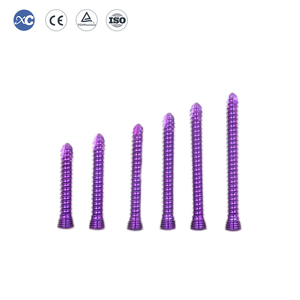
XC MEDICO Veterinary Orthopedic Implants 2.7mm AO Locking Screw Implant Class III 1 Year Warranty
Ultra-precision 2.7mm self-tapping AO locking screw constructed from high-tensile Grade 5 titanium. Engineered for small animal orthopedic reconstruction with zero cam-out Star-Drive recess.
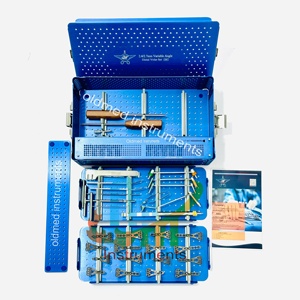
2.4/2.7mm Variable Angle Distal Radius Volar Plates Screws Instruments Orthopedic Implant Kit CE ISO Certified High Quality
Anatomically pre-contoured volar plating kit featuring ±15° polyaxial locking technology. Complete with complete surgical instrument tray for complex intra-articular radial fracture reduction.
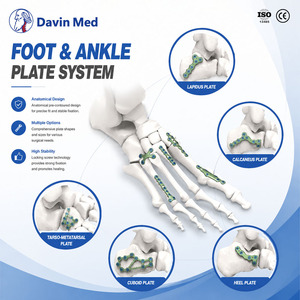
CE ISO13485 Orthopedic Trauma Implants 3.5mm Calcaneal Circumferential Locking Plate For Fracture Fixation
Low-profile circumferential calcaneal plate designed for Sanders Type II-IV fractures. Features optimized screw trajectories to secure posterior facet fragments without soft-tissue impingement.
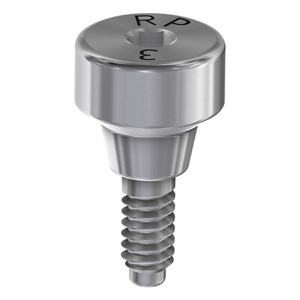
Multi-Unit Abutment Conical Connection Internal Hex Compatible Implant System Titanium Prosthetic Component Dental Clinic
Micromachined titanium Grade 5 multi-unit abutment components for full-arch restorative procedures. Offers 17° and 30° angulated options with internal hex prosthetic connection.
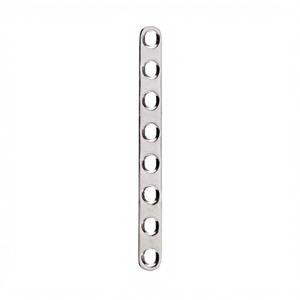
Stainless Steel Phillips Bone Plates High Quality Veterinary Bone Implants Orthopedic Implants CE ISO Approved
Medical-grade 316L stainless steel compression bone plates engineered for small animal and equine fracture repair. Passivated electro-polished surface ensures biocompatibility and fatigue resistance.
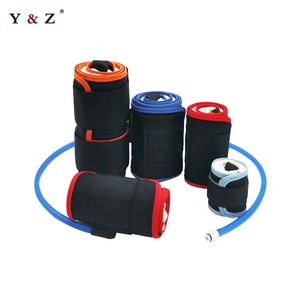
High Quality Orthopedic Pneumatic Tourniquet Cuff Electricity Powered ABS Reusable CE Certified OEM/ODM China Manufacturer
Digital dual-channel tourniquet system featuring automated pressure calibration, battery backup, and reusable autoclavable antimicrobial cuffs for bloodless surgical field isolation.
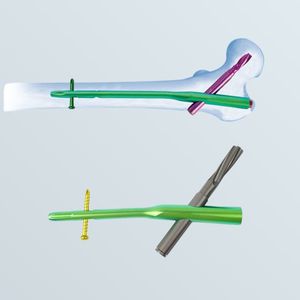
Premium Pfna Intramedullary Nail Wholesale Orthopedic Implant for Femur Intertrochanteric Bone Fracture
Proximal Femoral Nail Antirotation (PFNA) system incorporating a single helical blade to compress cancellous bone in osteoporotic hip fractures. Engineered for maximum cut-out resistance.
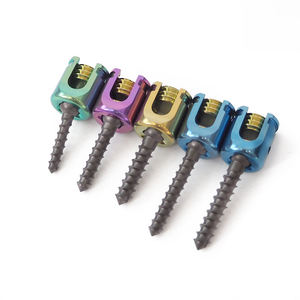
Veterinary Orthopedic Implants Polyaxial Spine Pedicle Screw Titanium Implant With Warranty And Online Technical Support
High-friction polyaxial pedicle screw construct engineered for veterinary spinal trauma, vertebral stabilization, and biomechanical deformity correction in companion animals.
Navigating Global Sourcing: The Evolution of China’s Orthopedic Manufacturing Sector
An in-depth analysis of metallurgical engineering, regulatory compliance, and OEM contract manufacturing strategies for global medical device brands and hospital networks.
The global orthopedic devices market is undergoing a structural transformation. Driven by an aging population, rising rates of musculoskeletal disorders, and demanding healthcare cost-containment mandates, global medical device distributors, OEM brands, and hospital procurement groups are re-evaluating their supply chain architectures. Historically, Western markets relied heavily on localized manufacturing in Europe and North America. However, over the past 15 years, China—specifically the specialized industrial biomechanical cluster centered in Changzhou, Jiangsu Province—has established itself as an indisputable leader in high-precision orthopedic implant and instrument manufacturing.
Executive Sourcing Insight: Sourcing orthopedic implants and surgical instruments from Tier-1 Chinese OEMs no longer represents a simple cost-reduction decision. Today, it reflects a strategic shift toward access to modern 5-axis Swiss CNC machining infrastructure, ultra-cleanroom sterilization packaging, and rapidly validated custom OEM/ODM product cycles under ISO 13485, CE MDR, and US FDA 510(k) frameworks.
Metallurgical Mastery: Titanium Grade 5 Ti-6Al-4V ELI & PEEK Polymer Engineering
The clinical success of bone trauma fixation systems, spinal interbody fusion cages, and craniomaxillofacial (CMF) implants hinges on strict material purity and mechanical endurance. As a premier Chinese wholesale manufacturer, our manufacturing protocols are anchored in standardized biocompatible materials that strictly adhere to international surgical standards:
- Titanium Alloy Ti-6Al-4V ELI (ASTM F136 / ISO 5832-3): Extra Low Interstitial (ELI) titanium is the gold standard for trauma plates, pedicle screws, and intramedullary nails. By tightly restricting oxygen, nitrogen, and iron content, Ti-6Al-4V ELI exhibits superior damage tolerance, enhanced fatigue resistance under high dynamic cyclic loads, and excellent elastic modulus compatibility with human cortical bone.
- Polyetheretherketone (PEEK-OPTIMA / ASTM F2026): For anterior cervical discectomy fusion (ACDF) and transforaminal lumbar interbody fusion (TLIF) cages, radiolucent PEEK polymers match the natural modulus of cancellous bone. This minimizes stress shielding while enabling artifacts-free radiographic imaging during post-operative follow-up.
- Surgical Grade 316L Stainless Steel (ASTM F138): Applied in dynamic compression bone plates, K-wires, and veterinary implants where ultimate tensile strength and cost-efficiency are required without compromising biological inertia.
| Biomaterial Standard | Tensile Strength (MPa) | Modulus of Elasticity (GPa) | Primary Clinical Application | Biomechanical Advantage |
|---|---|---|---|---|
| Ti-6Al-4V ELI (ASTM F136) | ≥ 860 MPa | 110 GPa | Trauma Plates, PFNA Nails, Spine Screws | High fatigue strength, superior osseointegration, lightweight |
| PEEK-OPTIMA (ASTM F2026) | 90 – 100 MPa | 3.5 GPa | Spinal Fusion Cages (ACDF / TLIF / XLIF) | Modulus matches cancellous bone; zero artifact on MRI/CT |
| 316L Stainless Steel (ASTM F138) | ≥ 860 MPa | 193 GPa | Veterinary Plates, External Fixators | High ultimate rigidity, ductile bending tolerance, cost-effective |
| CoCrMo Alloy (ASTM F75) | ≥ 665 MPa | 210 GPa | Joint Prosthetics, Motion Disc Arthroplasty | Exceptional wear resistance in articulating surface interfaces |
Enterprise Manufacturing Mastery
A look at the Changzhou production campus supporting healthcare partners across 30+ countries worldwide.
Future Trends in Orthopedic Implant Procurement
What global procurement teams and orthopedic brand managers must anticipate over the next five years.
1. 3D-Printed Additive Manufacturing & Trabecular Porous Structures
Traditional solid titanium cages are being rapidly superseded by 3D-printed electron beam melting (EBM) and selective laser melting (SLM) implants. Direct metal laser sintering allows manufacturers to construct interconnected trabecular pore structures (pore size 400–600 microns, 60–70% porosity) that mimic native human bone micro-architecture. This accelerates early stage vascularization and direct bone ingrowth (osseointegration) without requiring synthetic bone graft extenders.
2. Variable Angle (VA) Polyaxial Locking Mechanics
Static mono-axial bone plating is transitioning to Variable Angle (VA) polyaxial locking systems across upper extremity and foot/ankle trauma procedures. Surgeons demand the anatomical flexibility to construct screw trajectories up to ±15° off-axis. This enables targeted fixation of small intra-articular fracture fragments without risking screw collision in complex osteotomies.
3. Supply Chain Consolidation & Full Technical File Support
Global regulatory bodies (including the EU MDR 2017/745 transition and US FDA 510(k) updates) have significantly raised technical documentation thresholds. Sourcing managers are consolidating vendor lists, dropping trading middlemen in favor of direct contract manufacturers capable of providing complete STED (Summary Technical Documentation) dossiers, cleanroom validation protocols, and comprehensive biocompatibility testing (ISO 10993 series).
4. Rapid Prototyping & Dedicated OEM Turnkey Services
Speed to market is a critical competitive metric for regional medical device distributors. High-tier Chinese manufacturers now offer integrated CAD/CAM modeling, Finite Element Analysis (FEA) computer simulations, quick-turn 3D printed prototype samples, and customizable modular surgical instrument trays under strict Non-Disclosure Agreements (NDAs).
Biomechanical Validation & International Compliance
How rigorous quality management systems ensure every batch delivered to your warehouse performs flawlessly in the operating room.
In surgical device manufacturing, precision is not merely an operational target—it is a patient safety imperative. Our manufacturing facilities operate under a fully certified ISO 13485 Quality Management System. Every production line integrates stringent in-line quality controls, from raw titanium billet verification to final cleanroom double-sterile barrier packaging.
Optical & Coordinate Metrology
Machined components undergo automated inspection utilizing German Zeiss Coordinate Measuring Machines (CMM) and high-resolution optical comparators. Critical thread profiles, pitch tolerances, and recess depths on locking screws are verified to within ±5 micrometers.
ASTM Biomechanical Stress Testing
Implants undergo mechanical fatigue testing according to ASTM standards (ASTM F1717 for spinal constructs, ASTM F543 for metallic medical bone screws, and ASTM F1264 for intramedullary nails). Implants must endure over 5,000,000 stress cycles without mechanical failure.
Cleanroom & Sterilization Integrity
Cleanroom packaging is executed inside an ISO Class 7 (100,000-class) cleanroom facility. Sterile barrier packaging options include double Tyvek pouch heat-sealing, transparent blister trays, and batch-validated Ethylene Oxide (EtO) or Gamma irradiation sterilization.
Frequently Asked Sourcing Questions (FAQ)
Clear, direct answers to the most common queries raised by hospital buyers, distributors, and private-label partners.
Which quality certifications do your orthopedic implants and surgical instruments hold?
Our complete manufacturing operation is ISO 13485 certified. Core product lines—including spinal pedicle screw systems, trauma locking plates, intramedullary nails, and CMF plating kits—hold CE Mark approvals and US FDA 510(k) clearances. Certificate documentation, declaration of conformity, and test reports are fully available to support your local registration.
Do you offer OEM, ODM, and private labeling services for brand owners?
Yes. We specialize in comprehensive turnkey contract manufacturing. Our dedicated in-house R&D team supports customized implant geometry, specialized surgical instrument handles, custom laser marking (logo, lot numbers, QR codes), and custom-branded surgical tray layouts.
What is your typical production lead time for wholesale and custom order batches?
Standard catalog items (such as standard AO locking screws, trauma plates, and PFNA nails) are maintained in high safety stock and are typically dispatched within 15 business days. Custom OEM orders are scheduled individually, with initial prototype samples typically ready within 3 to 4 weeks depending on design complexity.
Can we request product samples for mechanical testing or surgeon evaluation prior to placing bulk orders?
Absolutely. We provide evaluation samples and demonstration instrument kits to qualified medical distributors, tender managers, and hospital procurement departments. Sample requests allow your clinical team to inspect surface finish, tactile ergonomics, and fitting tolerances firsthand.
How do you assist distributors with regulatory registration in international markets?
We provide comprehensive technical dossier assistance, including STED files, material test reports (MTRs), ISO 10993 biocompatibility test data, clinical evaluation reports (CERs), and free sales certificates (FSC) to streamline approval with your country’s Ministry of Health.
Where are your headquarters located, and can our procurement team audit your factory?
Our headquarters and primary manufacturing campus are located at No.2 Longqing Road, Wujin Hi-tech Zone, Changzhou City, Jiangsu Province, China. International client visits and third-party facility audits (e.g., TÜV, SGS) are warmly welcomed.
Ready to Upgrade Your Orthopedic Supply Chain?
Partner with China’s premier orthopedic surgical instrument and implant manufacturer. Contact our senior product engineers today to receive detailed technical specifications, regulatory dossier samples, and direct wholesale pricing.