Featured Orthopedic Implants & Precision Components
Direct factory-manufactured Class II & Class III medical devices engineered to ISO 13485 quality management standards, backed by CE marking and FDA 510(k) clearances.
Technical Sourcing Whitepaper: Quality Engineering in Contract Orthopedic Manufacturing
Evaluating high-precision OEM/ODM partners for Class II and Class III spinal, trauma, and craniomaxillofacial implants under stringent global regulatory frameworks.
Metallurgical Metallurgy & Material Traceability
In contract implant production, material integrity directly dictates clinical fatigue resistance and biostability. Premium manufacturing centers utilize exclusively certified medical-grade raw alloys: Ti-6Al-4V ELI (ASTM F136 / ISO 5832-3) for supreme strength-to-weight performance, medical grade 316LVM Stainless Steel (ASTM F138) for specialized trauma applications, and implantable-grade PEEK-OPTIMA (ASTM F2026) for radiolucent spinal interbody cages.
Every incoming batch undergoes Optical Emission Spectrometry (OES) chemical analysis and tensile testing. Complete raw material Mill Test Reports (MTR) with 100% heat-number traceability are archived for 15+ years to guarantee compliance with US FDA 21 CFR Part 820 and European MDR 2017/745 regulations.
5-Axis Sub-Micron Precision CNC Machining
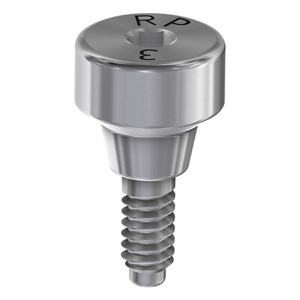
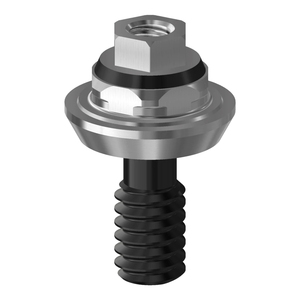
Trauma locking plates, pedicle screws, and complex multi-unit dental abutments require micro-machining tolerances as tight as ±0.003mm. Achieving such precision demands advanced multi-axis CNC machinery, including Swiss-type longitudinal automatic lathes, 5-axis high-speed milling centers (Makino, Star, Citizen), and EDM wire-cutting equipment.
Critical geometric features—such as variable-angle locking thread profiles, cannulated screw channels, and complex anatomical curves—are continuously verified using 3D Coordinate Measuring Machines (CMM), optical contour projectors, and laser scanning equipment inside temperature-controlled metrology laboratories.
All finished orthopedic devices undergo rigorous surface passivation (per ASTM F86), Type II/III titanium anodizing for anti-galling color coding, or micro-bead blasting to optimize osseointegration surfaces. Cleaning and primary pouch packaging are executed in certified ISO Class 8 (100,000 class) cleanrooms to control bioburden levels prior to EO or Gamma sterilization.
Orthopedic Alloy & Polymer Material Specifications Matrix
Technical baseline reference for OEM product managers, biomechanical engineers, and medical device regulatory specialists.
| Material Specification | Primary Clinical Standard | Tensile Strength (MPa) | Biocompatibility & Corrosion | Target Clinical Applications |
|---|---|---|---|---|
| Ti-6Al-4V ELI (Grade 23) | ASTM F136 / ISO 5832-3 | ≥ 860 MPa | Outstanding corrosion resistance, bio-inert, low artifacts | Spinal Pedicle Screws, Interbody Cages, Trauma Plates, Dental Abutments |
| 316LVM Stainless Steel | ASTM F138 / ISO 5832-1 | ≥ 930 MPa (Cold Worked) | Vacuum Arc Remelted (VAR) high purity, high shear modulus | Intramedullary Nails, Bone Screws, External Fixation Rods, Surgical Drills |
| PEEK-OPTIMA Natural | ASTM F2026 | ≥ 95 MPa | Radiolucent, elastic modulus matches natural human cortical bone | ACDF / TLIF Fusion Cages, Cranial Plates, Telescopic Corpectomy Devices |
| Commercially Pure Ti (CP Gr 4) | ASTM F67 / ISO 5832-2 | ≥ 550 MPa | Maximum soft-tissue compatibility and osseointegration capability | CMF Plating, Dental Implants, Micro-Reconstructive Maxillofacial Studs |
Specialized Product Lines & Contract Production Scope
Full-spectrum medical device design, contract prototyping, toolmaking, volume production, and private-label packaging support.
Spine Surgery Systems
Comprehensive spinal fixation, motion preservation, and fusion portfolio including:
- Cervical Intervertebral Disc Replacement Systems
- ACDF, TLIF, & XLIF PEEK and 3D Printed Cages
- Kyphoplasty & Vertebral Augmentation Kits
- Telescopic Corpectomy Systems & Pedicle Screws
Trauma & Fracture Reconstruction
Advanced osteosynthesis instrumentation for internal and external fixation:
- Ramic Proximal Femoral Nails (PFNA TRT11)
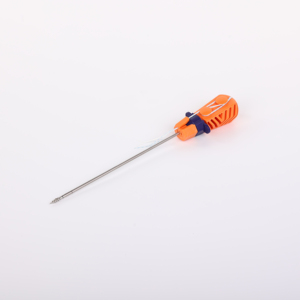
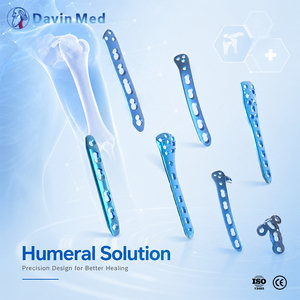
- Tibial, Humeral, & Distal Femoral Nailing Systems
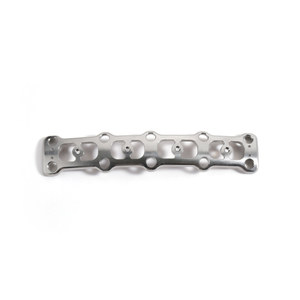
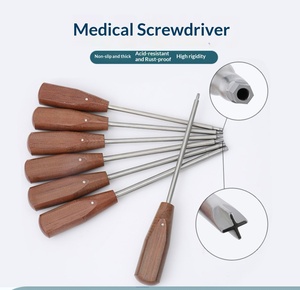
- Variable Angle Locking Compression Plates (LCP)
- Titan-Fix Circular Ring External Fixators
CMF & Veterinary Systems
Micro-plating and animal orthopedic implant solutions built for surgical versatility:
- Medtrix Craniomaxillofacial Low-Profile Plating
- Lovan Animal Plate Systems (Small & Large Canine)
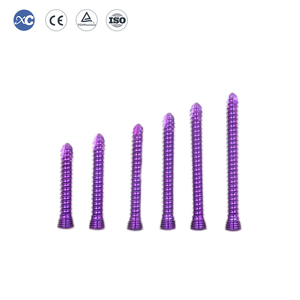
- 2.7mm / 3.5mm AO Self-Tapping Locking Screws
- TPLO & Corrective Osteotomy Surgical Plates
Future Procurement Trends in Global Orthopedic Manufacturing
Analysis of technological disruptions, material innovations, and regulatory transitions shaping OEM/ODM sourcing strategies over the next decade.
1. Additive Manufacturing & Biomimetic 3D Porous Titanium Cages
Traditional machined solid PEEK and smooth titanium cages are rapidly yielding market share to Electron Beam Melting (EBM) and Direct Metal Laser Sintering (DMLS) 3D-printed titanium implants. Additive manufacturing allows for the creation of open trabecular pore structures (60-70% porosity, 300-600μm pore size) that mirror human cancellous bone modulus.
This biomimetic geometry promotes rapid vascularization and direct bone ingrowth (osseointegration) without requiring expensive biological BMP coatings. Forward-thinking OEM distributors are prioritizing manufacturers with certified in-house industrial 3D printing capabilities.
2. Patient-Specific Implants (PSI) & Digital Preoperative Workflows
The shift toward personalized medicine is driving explosive demand for customized craniomaxillofacial plates, complex revision spine constructs, and oncological bone defect reconstructions. Modern contract manufacturers are integrating DICOM CT-scan data conversion directly into CAD/CAM software suites.
This enables rapid 48-hour turnarounds from patient CT slices to custom anatomical titanium implant production, accompanied by 3D-printed surgical cutting guides that drastically reduce operating room procedure times.
3. Regulatory Consolidation & EU MDR / FDA Equivalence Pressure
Global medical device buyers face escalating regulatory friction under the European Union Medical Device Regulation (EU MDR 2017/745) and stringent FDA predicate validation rules. Sourcing directors are actively consolidating supply chains, terminating relationships with non-certified machine shops in favor of established, auditable hubs like Changzhou, China.
Top-tier factories provide pre-compiled technical dossiers, ISO 14971 risk management reports, and comprehensive biomechanical fatigue testing (ASTM F2077, ASTM F543) ready for immediate submission to notified bodies.
4. Supply Chain Resilience & Vertical Contract Integration
Volatile freight routes and geopolitical shifts have made single-process outsourcing risky. Leading global brands now favor vertically integrated OEM/ODM manufacturing hubs capable of executing raw material forging, precision CNC milling, surface anodizing, cleanroom washing, sterile pouching, and private-label packaging under one quality roof.
Single-site execution dramatically reduces landed cost, eliminates transit damage risks, and guarantees predictable 15-to-30 day supply cycles.
Why Global Healthcare Brands Partner With Our Changzhou Manufacturing Hub
Headquartered in China's premier orthopedic manufacturing cluster, Trauhui Medical combines 15+ years of clinical device engineering with world-class contract manufacturing scalability.
Massive Manufacturing Scale
Our 30,000+ square meter campus houses over 150 sets of modern precision CNC lathes, 5-axis machining centers, dynamic fatigue testing rigs, and optical metrology stations. With an annual output exceeding 350,000 finished implant units, we seamlessly absorb hospital tender spikes and high-volume OEM procurement orders.
Complete Regulatory Dossiers
Our manufacturing operations comply rigorously with ISO 13485:2016 quality management standards. With existing CE marks, FDA 510(k) clearances, and multiple international invention patents, we furnish qualified distributors with turnkey registration documentation for rapid market entry across Asia, Europe, Latin America, and the Middle East.
Turnkey OEM/ODM Workflow
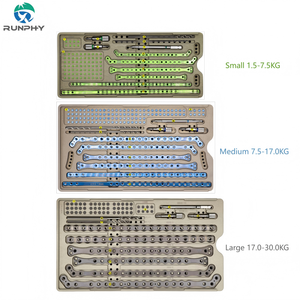
From initial 2D/3D CAD drafting and stress analysis (FEA) to rapid prototyping, custom instrument tray design, laser branding, cleanroom pouch sealing, and customized sterile box packaging, our 30+ member internal R&D engineering team acts as a seamless extension of your brand.
Frequently Asked Questions by Global Medical Device Buyers
In-depth answers regarding regulatory filings, quality assurance, minimum order quantities, custom tooling, and facility audits.
Our manufacturing facility operates under a certified ISO 13485:2016 Quality Management System audited by TÜV Rheinland. Core spinal and trauma product lines hold European CE Marking and US FDA 510(k) clearances. Certificate copies, Device Master Files (DMF), and ISO 14971 risk management reports are readily accessible to authorized global distributors to facilitate rapid national health registration.
We provide full-lifecycle OEM/ODM contract manufacturing. This includes engineering optimization of customer drawings, Finite Element Analysis (FEA) simulation, rapid titanium/PEEK prototyping, custom surgical instrument kit design, laser marking (UDI compliance), custom color anodization, cleanroom blister packaging, and customized brand box printing.
Standard inventory systems (such as standard pedicle screw sets, intramedullary nails, and locking plates) are maintained in inventory and typically ship within 15 calendar days. For custom OEM/ODM projects, initial sample prototypes are produced within 20-30 days following CAD sign-off, with mass production batch delivery scheduled within 45 days after prototype validation.
All raw materials (Ti-6Al-4V ELI, 316LVM, PEEK) are sourced exclusively from globally accredited suppliers with complete Mill Test Reports (MTR). Every batch undergoes spectrographic chemical composition analysis and microstructural evaluation. Finished implants undergo static and dynamic biomechanical testing in accordance with ASTM F2077 (spinal cages), ASTM F543 (medical bone screws), and ISO 14801 (dental fatigue standards) inside our internal testing center.
Yes. We welcome quality assurance auditors, procurement teams, and third-party inspectors (such as SGS or TÜV) to visit our facility at No.2 Longqing Road, Wujin Hi-Tech Zone, Changzhou, Jiangsu, China. We also accommodate live interactive video audits for overseas clients reviewing our cleanrooms, CNC workshops, and QC metrology departments.
We offer both sterile barrier packaging and non-sterile protective bulk packaging. Sterile packaging utilizes Tyvek-sealed double peel pouches or rigid PETG blisters processed in our ISO Class 8 cleanrooms, ready for immediate EtO or Gamma sterilization. Non-sterile implants are washed with ultrasonic aqueous systems and protected in individual medical-grade protective bags with protective silicone sleeves.
Accelerate Your Orthopedic Supply Chain Today
Partner with a trusted China OEM/ODM factory holding CE, FDA 510(k), and ISO 13485 certifications. Request complete technical catalogs, material test reports, or custom production quotes from our medical engineering team.