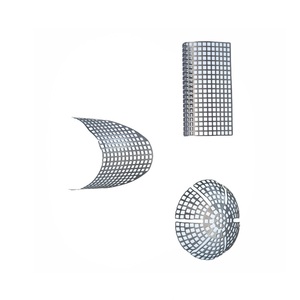
Spinal & Bone Reconstruction
Explore our precision-machined spinal, trauma, dental, CMF, and veterinary orthopedic implants, produced under strict medical-grade titanium and stainless steel standards.
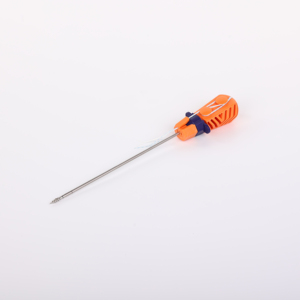
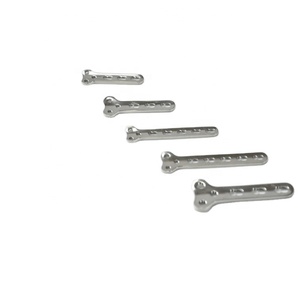
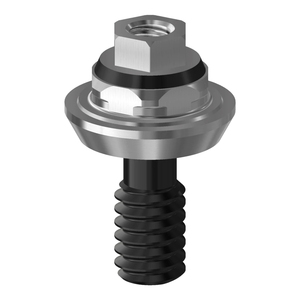
The global market for orthopedic devices is experiencing a structural realignment. Healthcare systems worldwide face dual pressures: expanding surgical access for aging populations while containing procedure costs. For medical device distributors, hospital chain purchasing managers, and private-label brand owners, partnering directly with certified Chinese orthopedic implant manufacturers has transitioned from an optional cost-saving tactic to a core strategic imperative.
Historically, Tier-1 western manufacturers dominated the spine, trauma, and joint replacement markets. However, the concentration of precision CNC machining infrastructure, biomedical metallurgical expertise, and complete regulatory support frameworks in industrial hubs like Changzhou, Jiangsu, has fundamentally elevated China’s manufacturing capability. Today, top-tier factories operate automated 5-axis Swiss-type lathe centers, Electron Beam Melting (EBM) 3D printers, and ISO Class 8 cleanrooms that match or exceed Western production standards.
| Biomaterial Standard | Metallurgical Composition | Mechanical Yield Strength | Primary Clinical Application |
|---|---|---|---|
| Ti-6Al-4V ELI (ASTM F136) | Titanium Alloy (Extra Low Interstitial) | ≥ 795 MPa | Spinal Pedicle Screws, Interbody Fusion Cages, Trauma Plates |
| 316L Stainless Steel (ASTM F138) | Chromium-Nickel-Molybdenum Alloy | ≥ 690 MPa | Manual Surgical Instruments, Trauma Bone Plates, K-Wires |
| PEEK-OPTIMA (ISO 10993) | Polyether Ether Ketone Polymer | ≥ 110 MPa | Radiolucent ACDF / TLIF Spinal Cages, Vertebral Bodies |
| Commercially Pure Ti (ASTM F67) | Pure Titanium Grade 2 / Grade 4 | 345 – 480 MPa | CMF Plating, Dental Implants, Surface Plasma Coatings |
When evaluating an orthopedic implants factory in China, technical buyers must scrutinize raw material sourcing and metallurgical validation. Implants deployed in load-bearing anatomical sites undergo millions of cyclic fatigue stresses. Failure at the implant-bone interface is catastrophic.
Leading suppliers maintain strict raw material control protocols. Every batch of Titanium alloy (Ti-6Al-4V ELI conforming to ASTM F136 / ISO 5832-3) undergoes chemical spectrographic analysis and microstructural grain testing before entering multi-axis CNC production lines. Furthermore, key mechanical parameters—such as tensile yield strength, fatigue limit per ASTM F1717 (for spinal constructs), and torque-to-yield thresholds for cortical/cancellous bone screws—are verified in-house via calibrated mechanical testing laboratories.
Rigorous static and dynamic fatigue testing under ASTM F1717, ASTM F543, and ISO 14801 ensures flawless mechanical performance under physiological loads.
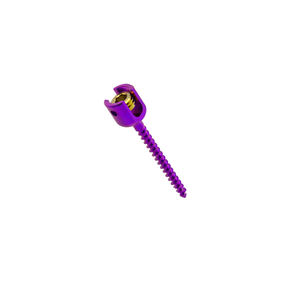
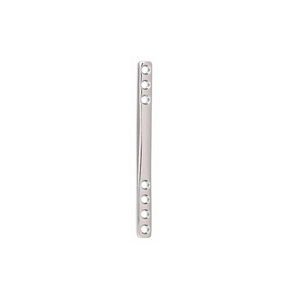
Strategic buffer warehousing of high-turnover spinal pedicle screws, trauma locking plates, and intramedullary nails reduces distributor stock-outs.
Complete CE technical files, ISO 13485 audit documentation, and FDA 510(k) summary reports ready to support fast regional market registrations.
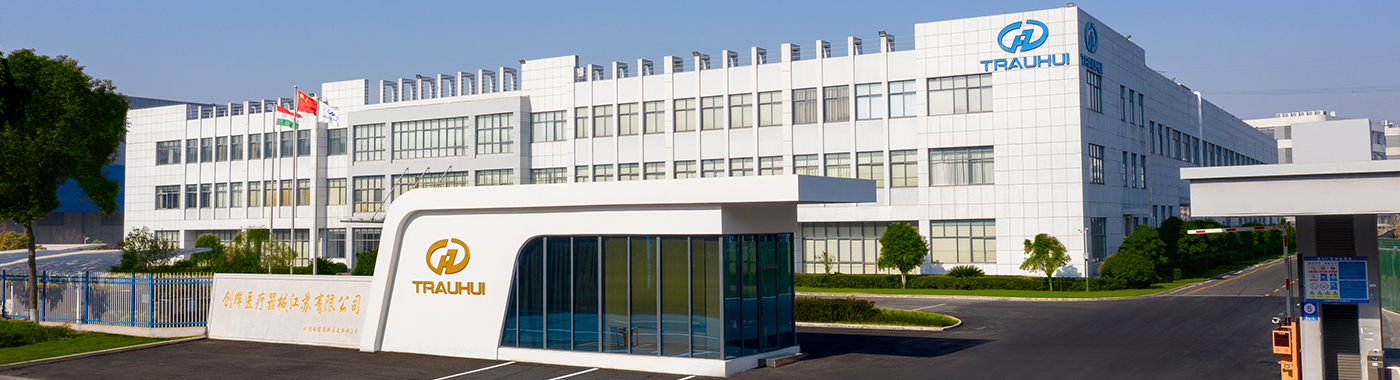
Operating from Changzhou, Jiangsu—the core center of China’s medical device manufacturing sector—our manufacturing hub combines 15+ years of specialist orthopedic development with ISO 13485 quality control protocols.
Our facility features modern 5-axis DMG MORI CNC milling machines, Citizen Swiss-type high-precision automatic lathes, and automated anodization and surface cleaning lines. Every spinal implant, trauma locking plate, and CMF fixation element undergoes 100% optical coordinate measurement (CMM) to guarantee tight tolerances ($\pm 0.005\text{ mm}$).
ISO Class 8 cleanroom facilities for primary double-sterile pouch blister packaging.
Selective Laser Melting (SLM) titanium technology for porous trabecular cages.
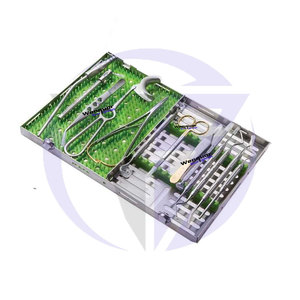
In-house design and prototyping for ergonomic, color-coded surgical tool trays.
Laser UDI marking on every single implant for full regulatory traceability.
Designed for medical distributors, regional stocking agents, and hospital procurement partners seeking sustainable margins and robust supply chain resilience.
Direct factory pricing eliminates intermediary markups. Our partners achieve 40% to 65% gross margins while delivering competitive hospital contract pricing.
Qualified distributors receive regional sales exclusivity guarantees, protecting your market investments, tender bids, and local surgeon relationships.
We provide comprehensive surgical technique guides, 3D animated surgical steps, cadaver lab support materials, and direct clinical specialist access.
2D/3D design conversion, biomechanical FEA stress simulation, and tolerance stack analysis.
5-axis CNC machining of sample prototypes within 7-10 days for surgeon ergonomics validation.
Mechanical fatigue testing, bioburden testing, and regulatory technical dossier compilation.
Laser etching with custom logo, barcode UDI labeling, sterile packaging, and global logistics dispatch.
As healthcare providers seek better clinical outcomes and faster patient rehabilitation, the orthopedic implant sector is undergoing three major technological transformations:
Traditional machined PEEK and titanium cages are increasingly replaced by 3D-printed porous titanium implants. Selective Laser Melting (SLM) allows factories to create interconnected pore structures (500–700 micron pore size with 60–70% porosity) that mimic human cancellous bone. This accelerates early bone ingrowth (osseointegration) and reduces stress shielding.
Surgical procedures are rapidly shifting toward smaller incisions and reduced soft-tissue disruption. Sourcing programs are prioritizing percutaneous pedicle screw systems, MIS expandable interbody cages, and specialized radiolucent carbon-fiber retractor systems that integrate seamlessly with intraoperative C-arm and 3D navigation systems.
Beyond human trauma and spine, veterinary orthopedics (such as TPLO plates, micro-locking plates, and titanium mesh) is experiencing double-digit annual growth. Suppliers offering multi-specialty portfolios—spanning human CMF, veterinary trauma, and arthroscopic suture anchors—allow distributors to consolidate their vendor base.
Forward-thinking procurement officers must choose manufacturing partners that invest actively in additive manufacturing equipment, hold updated MDR/FDA certificates, and maintain agile engineering teams capable of rapidly adapting to custom clinical requests.
Our manufacturing facility operates under an ISO 13485 certified Quality Management System. Our key product lines—including spinal pedicle screw systems, trauma locking plates, intramedullary nails, and CMF plating—hold European CE certification and US FDA 510(k) clearances. Certificate copies, test reports, and technical dossiers are readily available to qualified distributors to support regional health authority registrations.
For standard inventory items (such as standard spinal pedicle screws, trauma locking plates, and veterinary T-plates), regular distributor orders ship within 15 days. For custom OEM/ODM projects, initial prototype samples are typically completed in 15 to 25 days following CAD drawing approval, with full batch production delivered in 30 to 45 days depending on sterilisation and packaging requirements.
We source medical-grade Titanium alloys (Ti-6Al-4V ELI according to ASTM F136 / ISO 5832-3) and Stainless Steels (316L according to ASTM F138) exclusively from audited, certified mills with complete EN 10204 3.1 chemical and physical test certificates. Every incoming raw material lot undergoes chemical spectrographic analysis, grain size inspection, and mechanical tensile testing prior to CNC machining.
Yes. Our R&D team specializes in designing custom, ergonomic surgical instrument kits—including pedicle screw drivers, bone taps, reamers, plate benders, and trial spacers. We provide complete color-coded anodization, custom silicone handle molding, laser marking, and custom tray layouts tailored to your exact clinical specifications.
We provide comprehensive registration packages, including STED (Summary Technical Documentation), ISO 10993 biocompatibility test reports, ASTM F1717 / ASTM F543 mechanical fatigue test data, packaging validation, shelf-life stability data, and Certificates of Free Sale (CFS) to ensure smooth registration with local Ministries of Health.
We offer flexible MOQ structures to support growing regional distributors. Standard catalog products have minimal MOQ requirements (often starting at 10 to 20 units per size), while custom OEM private-label projects have low initial batch thresholds designed to minimize upfront inventory capital.
Contact our senior biomedical engineering team today to request complete product catalogs, factory audit reports, sample kits, or confidential OEM/ODM partnership terms.