Featured Orthopedic Implant & Instrument Systems
Explore our top-performing medical-grade titanium and PEEK implant products manufactured under rigorous international standards.
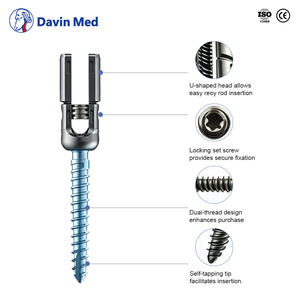
DavinMed CE/ISO Spine Polyaxial Pedicle Screw Long Tail Titanium Orthopedic Implant Sterile Packaging Anodized Surface Finish
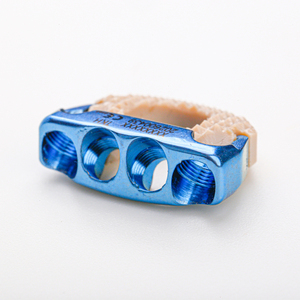
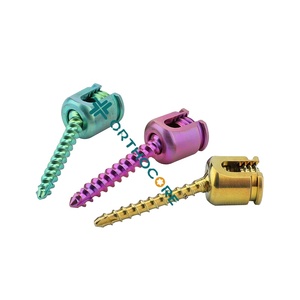
Meditech Factory Price Orthopedic Surgical Implants Titanium Polyaxial Spine Pedicle Screw
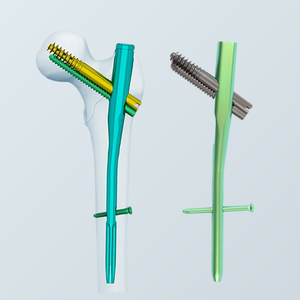
Titanium Intertan Interlocking Intramedullary Nail Implant for Orthopedic Fracture Trauma Treatment
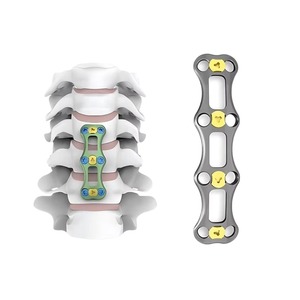
CE ISO Titanium Anterior Cervical Locking Plate Orthopedic Spine Fixation Fusion Surgical Implant Class III For ACDF Cervical
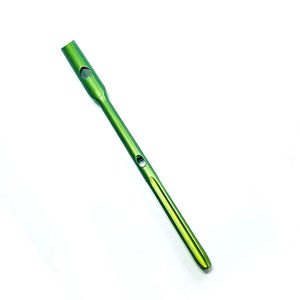
Best Factory Price Antirotation Titanium Proximal Femoral Nail PFNA Orthopedic Implant Set CE ISO Certificate By Surgiright
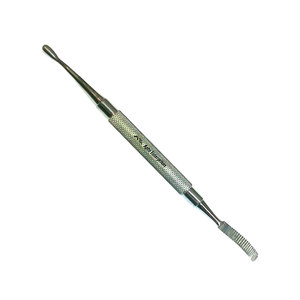
Dental Instruments Premium Implantology Orthopedic Scraper Precision Lifetime Best Quality Manual Bone Molt Elevator File Miller
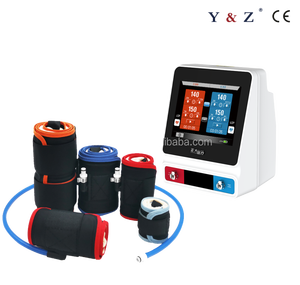
Y&Z YTQ-G CE Approved Surgical Orthopedic Electric Pneumatic Tourniquet System Class II China Manufacturer
Leading China's Medical Device Export Revolution
Trauhui Medical Co., Ltd. combines advanced Swiss-type CNC machining precision, ISO Class 7 cleanroom assembly, and international clinical co-development to serve over 30 countries worldwide.
Strategic Industrial Hub: The Changzhou Orthopedic Advantage
Headquartered in Changzhou, Jiangsu Province—recognized globally as China’s paramount "hometown of orthopedics"—Trauhui Medical operates at the epicenter of raw material supply chains, metallurgical research centers, and specialized biomechanical testing labs. Founded in 2009 with a cumulative investment exceeding RMB 200 million, our enterprise evolved from core precision engineering into a fully integrated Original Design Manufacturer (ODM) and Original Equipment Manufacturer (OEM) dedicated to clinical excellence.
Unlike conventional sourcing intermediaries, Trauhui Medical controls the complete product lifecycle: from initial 3D Finite Element Analysis (FEA) computer simulations and titanium micro-machining to electrochemical surface anodization, bio-cleaning, and validated sterile blister packaging.
Triple Quality Assurance
Operates under audited ISO 13485:2016 Quality Management Systems, with product lines holding full CE Certification and FDA 510(k) clearances for seamless international hospital registration.
Vertically Integrated Plant
Housing over 150 sets of 5-axis DMG MORI, Citizen, and Star CNC machines, enabling micron-level dimensional tolerances (±0.005mm) across complex polyaxial screw threads and locking plates.
Global Infrastructure Footprint
Supported by international strategic assets, including a specialized European manufacturing plant in Hungary and a Hong Kong financial portal, guaranteeing robust logistics and multi-region supply chain security.
Engineering Principles of Modern Orthopedic ODM Manufacturing
A comprehensive technical guide for hospital procurement executives, surgical device distributors, and OEM brand owners evaluating Chinese manufacturing capabilities.
1. Architectural Overview of Core Orthopedic Categories
Surgical success in skeletal restoration depends entirely on implant biomechanics, fatigue strength, and material biocompatibility. As a primary China ODM exporter, Trauhui Medical classifies its core engineering output across four vital surgical verticals:
1.1 Spinal Instrumentation & Interbody Fusion Systems
Spinal disorders require rigid stabilization paired with dynamic load distribution. Modern spinal ODM platforms focus heavily on minimizing surgical footprint while maximizing fusion success rates:
- Pedicle Screw Systems (Polyaxial & Monoaxial): Manufactured from high-tensile Titanium Grade 5 (Ti-6Al-4V ELI / ASTM F136). Polyaxial screws feature a 60-degree angulation cone allowing multi-planar rod placement, friction-locking saddle geometries to prevent thread slippage, and double-lead threads that cut insertion time in half while doubling bone-screw interface pullout strength.
- Interbody Fusion Cages (ACDF, TLIF, XLIF): Available in both medical-grade PEEK Optima and Additive Manufactured 3D-Printed Titanium. 3D-printed porous cages replicate human cancellous bone structure with interconnected porosity (65%–75% pore volume, 300–500 µm pore size), encouraging rapid osteointegration and eliminating stress shielding.
- Cervical & Thoracolumbar Plates: Low-profile anterior cervical locking plates (ACDF) featuring visual and tactile lock-confirmation mechanisms to eliminate screw back-out risks during post-operative patient movements.
1.2 Trauma Fixation & Fracture Reconstruction
Trauma surgical hardware must withstand high immediate biomechanical stresses under dynamic body loads:
- Intramedullary Nailing Platforms: Advanced Proximal Femoral Nails (PFNA / TRT11) and Intertan Interlocking Systems incorporate helical antirotation blades. This design condenses osteoporotic cancellous bone rather than removing it, dramatically reducing rotational instability and cut-out rates in intertrochanteric fractures.
- Variable Angle Locking Plates (VALP): Cottey-MD plating systems feature combi-holes accepting both standard cortical screws and locking screws. Star-shaped variable-angle locking mechanisms grant surgeons up to 15 degrees of off-axis screw trajectory, enabling precise fragment capture in complex intra-articular periarticular fractures.
- Circular External Fixation Systems: Titan-Fix ring fixator assemblies designed for limb lengthening, complex open fracture stabilization, and severe deformity corrections, utilizing lightweight high-strength carbon-fiber rings and anodized titanium strut rods.
1.3 Craniomaxillofacial (CMF) Plating Systems
Micro and mini plating platforms (1.5mm to 2.0mm system profiles) dedicated to reconstructive surgery of the cranium, midface, and mandible. Using soft, ductile pure titanium (ASTM F67 Grade 2 & Grade 4), these plates allow manual intraoperative contouring to match anatomical curvatures without sacrificing structural yield strength.
1.4 Veterinary Orthopedic Solutions
Addressing the rapidly expanding international veterinary surgical market, the Lovan Animal Plate System provides specialized micro-locking plates, TPLO (Tibial Plateau Leveling Osteotomy) implants, and high-pitch veterinary spinal screws tailored specifically for small companion animals and large livestock fracture repair.
2. Biomechanical Material Specifications & Metallurgy
Selecting the optimal implant biomaterial directly impacts long-term fatigue resistance, corrosion stability, and post-operative imaging clarity (MRI/CT artifact reduction).
| Material Classification | Standard Specification | Tensile Strength (MPa) | Modulus of Elasticity (GPa) | Primary Clinical Application |
|---|---|---|---|---|
| Titanium Grade 5 (Ti-6Al-4V ELI) | ASTM F136 / ISO 5832-3 | ≥ 860 MPa | 110 GPa | Pedicle Screws, Intramedullary Nails, Locking Plates |
| Commercially Pure Titanium (CP Ti Grade 4) | ASTM F67 / ISO 5832-2 | ≥ 550 MPa | 105 GPa | CMF Plates, Low-Profile Reconstruction Plates |
| PEEK Optima Natural | ASTM F2026 | 90 – 100 MPa | 3.5 GPa (Near human bone) | Radiolucent Interbody Fusion Cages (ACDF/TLIF) |
| 3D Printed Porous Ti-6Al-4V | ASTM F3001 (SLM Additive) | 300 – 450 MPa (Porous) | 2.5 – 5.0 GPa (Tailored) | Osseointegrative Biomimetic Spinal & Joint Cages |
3. Global Orthopedic Procurement & Sourcing Trends (2025–2030)
The global landscape for orthopedic procurement is undergoing a structural transformation. Medical device distributors and hospital groups are actively restructuring their supply chain partnerships away from high-margin traditional brands toward validated, high-value Western-compliant ODM exporters in China. Key macroeconomic and technical drivers include:
Trend 1: Regulatory Harmonization & Audit Transparency
Strict regulatory protocols under the European Union Medical Device Regulation (EU MDR 2017/745) and US FDA 510(k) mandates have forced the phase-out of low-tier contract shops. Global buyers now concentrate order volumes exclusively with fully audited manufacturers like Trauhui Medical that maintain comprehensive Technical Documentation Files (TDF), complete device history records (DHR), and clear raw-material lot traceability back to the titanium ingot.
Trend 2: Acceleration of Additive Manufacturing (3D Printing)
Subtractive machining (milling/turning) of fusion cages is rapidly losing ground to Selective Laser Melting (SLM) additive manufacturing. 3D printing allows the creation of interconnected cellular lattices that simulate natural trabecular bone geometry, promoting rapid vascularization and direct bone ingrowth without the need for expensive bone graft substitutes.
Trend 3: Shift toward Integrated ODM Co-Development
Distributors no longer seek off-the-shelf white-label items. Instead, they demand collaborative engineering (ODM). Trauhui Medical’s dedicated 30+ member R&D engineering center collaborates directly with international surgeons to turn custom clinical concepts into finalized CAD models, rapid prototype samples, mechanical fatigue test reports (ASTM F1717 / ASTM F2077), and market-ready products in less than 90 days.
Trend 4: Supply Chain De-risking & Rapid Lead-Time Fulfillment
Recent global logistics disruptions have emphasized the necessity of vendor stability. Holding over RMB 50 million in standardized inventory across spine and trauma categories enables Trauhui Medical to dispatch regular distributor stock orders within 15 calendar days—drastically shortening the typical 60-to-90-day industry standard lead time.
4. Surface Processing & Surface Engineering Innovations
Surface treatment dictates cellular response and clinical lifespan. Trauhui Medical implements automated, multi-stage electrochemical and chemical surface enhancements across all metal implants:
Type II Anodization
Produces a dense, passivated titanium oxide film layer that eliminates micro-fretting wear between pedicle screw heads and locking caps, increases fatigue endurance limit by up to 20%, and prevents aluminum ion leeching.
Micro-Arc Oxidation (MAO)
Creates a microporous ceramic oxide coating enriched with calcium and phosphate ions on titanium surfaces, triggering immediate hydroxyapatite crystallization upon implantation for superior osseointegration.
Color-Coded Anodized Identification
Employs vibrant, biocompatible anodized color coding (Gold, Magenta, Aqua, Navy) for varying screw diameters and plate lengths, assisting operating room staff in rapid intraoperative identification.
Frequently Asked Questions for Sourcing Executives
Detailed answers covering regulatory compliance, OEM customization workflows, factory audits, and distributor support policies.
Which regulatory certifications do Trauhui Medical orthopedic implants hold for export?
Trauhui Medical operates under a fully certified ISO 13485:2016 Quality Management System audited by TÜV. Core product families (including spinal pedicle screws, ACDF cages, intramedullary nails, and locking plate systems) hold active CE Certifications and FDA 510(k) clearances. Full Technical Files, Certificate of Free Sale (CFS), ISO certificates, and raw material mill certificates are provided to authorized distributors to streamline national health authority registrations (such as ANVISA, SFDA, MOH, and NFDAC).
What is the exact workflow and timeline for OEM/ODM private-label customization?
Our OEM/ODM engineering process follows a structured 5-stage protocol: 1) Conceptual Review & FEA Simulation (5-7 days), 2) Prototype Machining & Biomechanical Testing (14 days), 3) Clinical Ergonomic Refinement (7 days), 4) Regulatory Packaging & Labeling Design (5 days), and 5) Pilot Batch Production. The typical timeline from initial CAD drawings to final sterile-packaged private-label delivery is within 45 to 60 days, supported by our 30+ member R&D engineering department.
What are the standard lead times for regular stock vs custom OEM orders?
Because Trauhui Medical maintains a strategic finished-goods buffer valued at over RMB 50 million in our Changzhou central warehouse, standard catalog items (Spine, Trauma, CMF systems) are dispatched within 15 days upon order confirmation. Custom OEM/ODM orders or specialized tender supply contracts are scheduled based on exact machining schedules, typically taking 30 to 45 days.
Can international buyers visit and audit the manufacturing facility in Changzhou?
Yes, we actively welcome on-site quality audits and commercial visits from hospital procurement committees, ministry officials, and distributor executive teams. Our factory at No. 2 Longqing Road, Wujin Hi-Tech Zone, Changzhou, Jiangsu, China features 30,000+ m² of modern industrial infrastructure, Class 7 cleanrooms, advanced testing laboratories, and live multi-axis CNC machining centers. Remote live video audits are also available upon request.
How does Trauhui Medical support distributor growth and tender bidding in local markets?
We empower our global distributor partners with comprehensive support: technical tender document compilation, clinical training modules for sales representatives, demonstration instrument trays, high-resolution CAD marketing collateral, co-funding for regional orthopedic congresses, and localized hospital visitation support by senior product engineers.
What quality testing protocols are performed prior to product dispatch?
100% of implant lots undergo rigorous multi-stage quality control. This includes coordinate measuring machine (CMM) dimensional verification, optical comparator profile scanning, surface roughness testing (Ra < 0.4 µm), fatigue testing according to ASTM F1717 (spinal constructs) and ASTM F382 (bone plates), cleanroom bioburden checks, and dye-penetrant seal integrity checks on sterile packaging blisters.
Accelerate Your Orthopedic Supply Chain Today
Partner with China's premier orthopedic implants ODM exporter. Request full product catalogs, technical documentation files, or sample testing kits for your market.