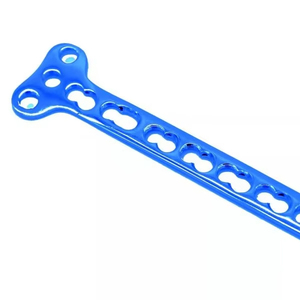
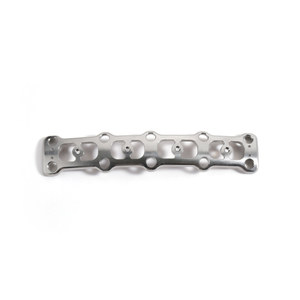
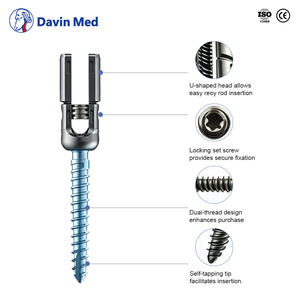
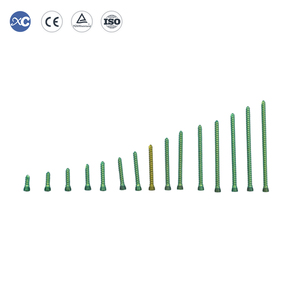
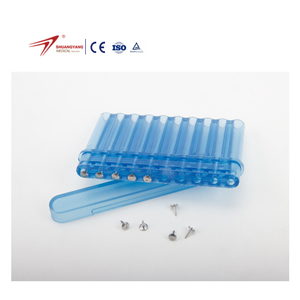
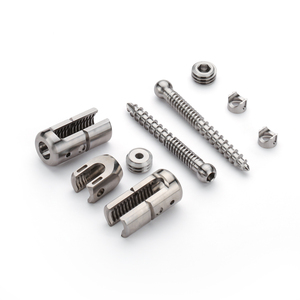
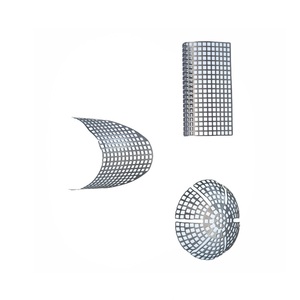
The global orthopedic devices market—encompassing joint reconstruction, spinal fixation, trauma plating, craniomaxillofacial (CMF) systems, and specialized surgical instrumentation—is undergoing a paradigm shift. Medical device brand owners, hospital procurement consortiums, and regional importers are increasingly transitioning away from costly vertically integrated manufacturing toward white label solutions and contract manufacturing organizations (CMOs). Sourcing high-precision orthopedic implants requires far more than basic CNC capability; it demands absolute biocompatibility, metallurgical purity, strict regulatory compliance (EU MDR 2017/745, US FDA 21 CFR Part 820), and audited quality management under ISO 13485:2016.
Key Procurement Insight: Sourcing orthopedic implants from established Chinese medical clusters like Changzhou provides brand owners with up to 40% landed cost efficiency without compromising raw material metallurgy or micron-level manufacturing tolerances.
Contract manufacturing in orthopedics requires an uncompromised commitment to material traceability. Implants fabricated from titanium alloy (Ti-6Al-4V ELI conforming to ASTM F136 / ISO 5832-3), surgical-grade stainless steel (316L conforming to ASTM F138), or Polyetheretherketone (PEEK-OPTIMA conforming to ASTM F2026) must undergo rigid chemical, tensile, and microstructural verification. A trusted OEM/ODM partner serves not merely as a machine shop, but as an integrated technical extension—handling initial CAD/CAM modeling, finite element analysis (FEA), 5-axis precision milling, cleanroom passivation, sterile barrier packaging, and technical file compilation for international regulatory submission.