Featured OEM Implants & Instrument Systems
Precision-engineered orthopedic implant components, trauma plates, spinal hardware, and veterinary systems manufactured under ISO 13485, CE, and FDA 510(k) quality management systems.
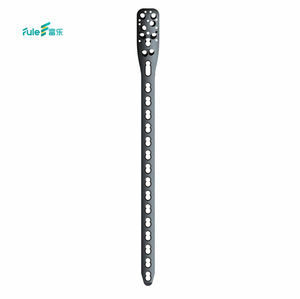
CE Marked Titanium Straight & Anatomic Plate System Femoral 4.5
Get a Quote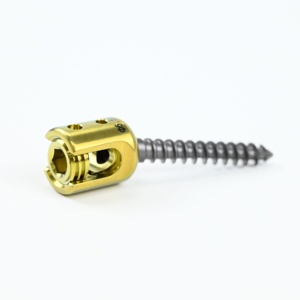
Orthopedic Neurosurgery Polyaxial Reduction Spine Screw
Get a Quote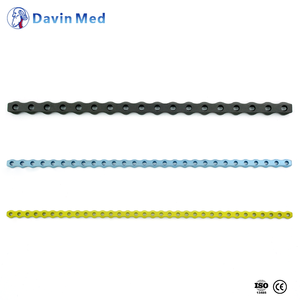
Veterinary ALPS Locking Bone Plate Titanium System
Get a Quote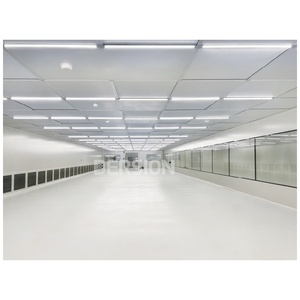
Class 10,000 Cleanroom OEM Packaging Solutions
Get a Quote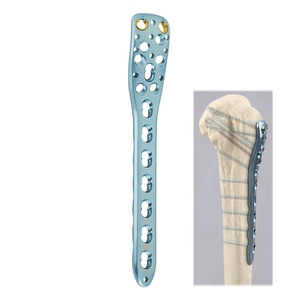
Variable Angle Proximal Humerus Locking Bone Plate
Get a Quote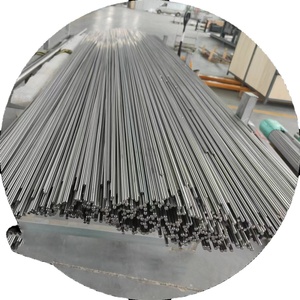
Medical Grade 5 ELI Titanium Bar Raw Materials
Get a Quote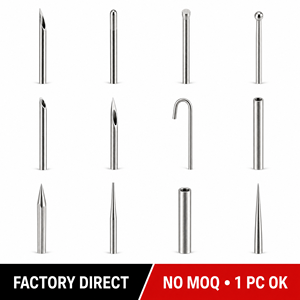
Swiss CNC Machined Titanium Micro Bone Screws
Get a Quote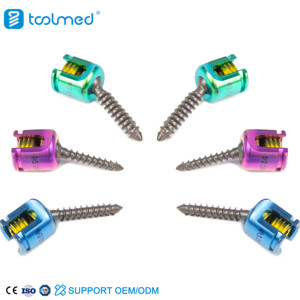
Veterinary Trauma Care Instrument & Implant Sterilization Kit
Get a QuoteNavigating Custom OEM Orthopedic Implants & Instruments Sourcing for Canadian Medical Device Supply Chains
Sub-Micron Swiss CNC Machining
Utilizing 5-axis Citizen and Star Swiss automatic lathes, custom bone screws and micro-implants achieve dimensional tolerances within ±0.005mm for flawless thread pitch consistency.
MDSAP & Health Canada Alignment
Full technical documentation, Device Master Files (DMF), and validation protocols designed to support Canadian Medical Device License (MDL) Class III and Class IV applications.
Custom Metallurgical Surface Chemistry
Type II anodization, micro-arc oxidation, and electropolishing engineered specifically for Ti-6Al-4V ELI (ASTM F136) and PEEK-OPTIMA implants to maximize osseointegration.
1. Metallurgical Excellence & Machining Precision for Orthopedic Implants
In human trauma, joint reconstruction, and spinal fusion procedures, raw material integrity dictates clinical longevity. OEM contract manufacturing requires strict adherence to international biomedical material standards:
- Titanium Alloys (ASTM F136 / ISO 5832-3): Ti-6Al-4V Extra Low Interstitial (ELI) is the gold standard for trauma plates, pedicle screws, and intramedullary nails, delivering exceptional strength-to-weight ratios and high fatigue resistance.
- Polyetheretherketone (PEEK OPTIMA): Essential for interbody fusion cages (ACDF, TLIF, XLIF), offering a modulus of elasticity closely matching natural human cortical bone to prevent stress shielding.
- Stainless Steel (ASTM F138 / ASTM F139 316L): Specially refined vacuum-arc remelted (VAR) stainless steel utilized in rigid external fixation systems and reusable surgical instruments.
Machining implantable hardware requires cleanroom-integrated 5-axis CNC machining, wire EDM (Electrical Discharge Machining), and dedicated surface finishing cells. Every batch undergoes passivating treatments per ASTM F86 to eliminate free iron contaminants and construct a dense, protective titanium oxide coating.
Biomedical Engineering Specification Matrix
| Implant Category | Primary Material Grade | Machining Tolerance | Surface Treatment | Health Canada Classification |
|---|---|---|---|---|
| Spinal Pedicle Screw Systems | Ti-6Al-4V ELI (ASTM F136) | ± 0.005 mm | Type II Anodization / Color Code | Class III / Class IV |
| Variable Angle Locking Plates | Titanium Grade 2 / Grade 5 | ± 0.010 mm | Electropolished & Passivated | Class III |
| Interbody Fusion Cages (TLIF/ACDF) | PEEK OPTIMA / 3D Porous Titanium | ± 0.012 mm | Plasma Spray / Glass Bead Blast | Class III |
| Veterinary ALPS Locking Systems | Commercially Pure Ti / Stainless 316L | ± 0.015 mm | Micro-arc Oxidation | Veterinary Device Exempt |
| Surgical Instruments & Drills | Martensitic Stainless (17-4PH / 420) | ± 0.008 mm | Matte Anti-glare Passivation | Class I / Class II |
Localized Application Scenarios in the Canadian Healthcare & Veterinary Landscape
Level 1 Regional Trauma Centers
In high-volume trauma facilities across Ontario, Quebec, and British Columbia, trauma surgeons encounter complex, high-energy fractures resulting from winter accidents, sports injuries, and highway incidents. Anatomic Variable Angle Locking Plate Systems (femoral, proximal humerus, distal radius) and Intramedullary Nails (proximal femoral, tibial) require variable locking angles allowing surgeons to anchor screws precisely in osteopenic or fragmented bone.
Elective Spinal & Reconstructive Surgery
Specialized orthopedic centers in urban hubs like Toronto, Montreal, and Calgary perform thousands of adult spinal deformity, degenerative disc disease, and scoliosis surgeries annually. OEM supplies of Polyaxial Reduction Screws, 3D Printed Porous Titanium Cages, and Kyphoplasty Balloon Augmentation Systems are vital for restoring sagittal balance while accelerating bony ingrowth.
Small Animal & Equine Veterinary Orthopedics
Canada’s veterinary surgical market has experienced massive growth. Specialized veterinary referral hospitals require specialized implants such as the Veterinary ALPS (Advanced Locking Plate System). OEM components with low-profile contours and ultra-small screw diameters (1.6mm to 4.0mm) are widely used for TPLO (Tibial Plateau Leveling Osteotomy) and complex canine fracture repair.
Macro Market Trends Driving Canadian Orthopedic Supply Chain Strategy
1. Surging Elective Surgery Backlogs & Cost Pressures: Provincial health networks are under stringent budget caps. Hospital purchasing consortiums are actively seeking high-quality alternative vendors to traditional multi-national brand names, driving demand for private-label OEM equivalents that deliver identical clinical performance at a 30% to 50% cost reduction.
2. Transition to Additive Manufacturing (3D Printing): Traditional machined implants are rapidly giving way to 3D-printed titanium structures featuring engineered trabecular pore geometries (porosity 60-80%, pore size 400-700μm). These implants simulate natural cancellous bone, significantly improving fusion rates in spinal procedures.
3. MDSAP-Driven Vendor Consolidation: Canadian importers must ensure their global manufacturing partners hold valid MDSAP certification. Contract manufacturers who integrate full regulatory support, cleanroom packaging, and lot traceability under ISO 13485 are replacing uncertified single-product workshops.
Why Global MedTech Brands Partner with Trauhui Medical
Since 2009, Trauhui Medical has operated as a leading orthopedic device manufacturer based in Changzhou, China—the epicenter of high-precision medical device machining.
Vertically Integrated Infrastructure
Spanning over 30,000 square meters, our facility houses 150+ sets of high-precision CNC machining centers, Swiss automated lathes, and coordinate measuring machines (CMM) achieving over 350,000 sets annual capacity.
Global Certification & Regulatory Support
Our operations are fully certified under ISO 13485:2016 quality management systems. Key product series hold CE certificates (TÜV Rheinland certified) and FDA 510(k) clearances, exporting to over 30 countries worldwide.
End-to-End OEM / ODM Execution
A dedicated team of 30+ R&D engineers supports Canadian clients through every stage: concept design, FEA biomechanical testing, rapid prototyping, regulatory filing assistance, and private-label sterile packaging.
Frequently Asked Questions for Canadian Buyers
How do your OEM products comply with Health Canada Medical Device Regulations (MDR)?
Health Canada classifies orthopedic implants generally as Class III or Class IV medical devices. Our manufacturing facilities maintain ISO 13485:2016 quality system standards and participate in recognized auditing frameworks compatible with the Medical Device Single Audit Program (MDSAP). We provide Canadian importers and brand owners with full technical documentation, including raw material mill test certificates (ASTM F136/F138), mechanical test data (fatigue, static bending, torque), cleanroom validation files, and biocompatibility reports (ISO 10993) required for Health Canada Medical Device License (MDL) submissions.
What are the typical lead times for standard stock versus custom OEM implant orders?
For standard catalog items held in continuous production (e.g., standard pedicle screws, locking plates, intramedullary nails), standard export orders are typically dispatched within 15 days. Custom OEM/ODM projects follow a structured timeline: prototype machining within 3 to 4 weeks, mechanical design verification testing within 2 to 3 weeks, followed by full volume batch manufacturing within 30 to 45 days post-drawing approval.
Can you provide custom branding, laser marking, and sterile packaging for Canadian distributors?
Yes. We offer turnkey private-label solutions. Implants and instruments can be customized with fiber laser marking (including UDI-compliant GS1 matrix barcodes, part numbers, lot numbers, and custom logos). Packaging options include non-sterile bulk packaging for hospital tray loading, or double-pouch sterile Tyvek packaging processed in our Class 10,000 (ISO Class 7) cleanroom facilities.
What material grade assurances and metallurgical testing do you supply with each shipment?
Every raw material lot (Ti-6Al-4V ELI, PEEK OPTIMA, 316L Stainless Steel) undergoes chemical analysis and mechanical tensile/yield testing before entering CNC machining lines. Each shipment includes a comprehensive Certificate of Analysis (CoA), full lot traceability documents, and material test reports matching strict ASTM/ISO biomedical specifications.
Do you offer custom surgical instrument set manufacturing to pair with proprietary implant systems?
Absolutely. An implant system is only as effective as the instruments used to insert it. We design and manufacture complete surgical instrument kits—including tissue retractors, drill guides, reamers, depth gauges, torque-limiting screwdrivers, and aluminum/stainless sterilization trays customized to fit your specific surgical technique.
What is your Minimum Order Quantity (MOQ) structure for Canadian OEM partnerships?
We offer flexible MOQ structures designed to accommodate both emerging MedTech startups and established international distributors. For standard titanium implants, initial production runs can start at lower minimums (e.g., 50–100 units per size/geometry), while full custom OEM projects are evaluated based on tooling requirements and production line setup parameters.
Accelerate Your Orthopedic OEM Product Line in Canada
Partner with an established, certified orthopedic implant manufacturer. Contact our senior biomedical engineering team today to review technical drawings, request samples, or request a detailed factory quote.
Get a Quote