The Greater Tokyo Metropolitan Area represents one of the world's most concentrated healthcare markets, encompassing over 37 million residents across Tokyo, Kanagawa, Saitama, and Chiba prefectures. As Japan’s demographic landscape transitions into a super-aged society—where citizens aged 65 and older exceed 29.1% of the total population—the clinical demand for advanced orthopedic implants, trauma stabilization hardware, and degenerative spine fusion systems has reached unprecedented volume. B2B medical equipment dealers, hospital procurement syndicates, and surgical device importers in Tokyo face double pressure: delivering uncompromising bio-mechanical quality while managing cost structures under Japan's National Health Insurance (NHI) reimbursement price caps.
1. Clinical Demographics & High-Frequency Application Scenarios in Tokyo Hospitals
In premier medical institutions across Tokyo—such as the University of Tokyo Hospital, Keio University Hospital, Juntendo University Hospital, and the Tokyo Metropolitan Cancer and Infectious Diseases Center Komagome Hospital—orthopedic surgical workloads are heavily weighted toward three main clinical categories:
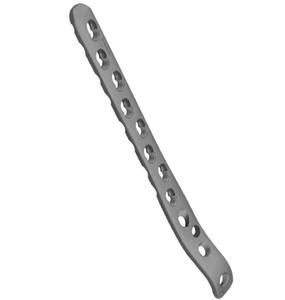
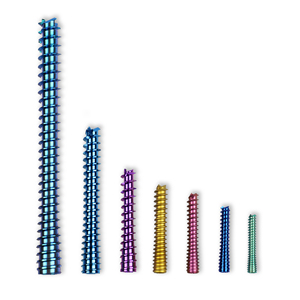
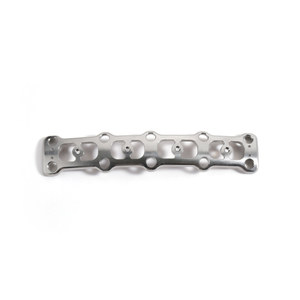
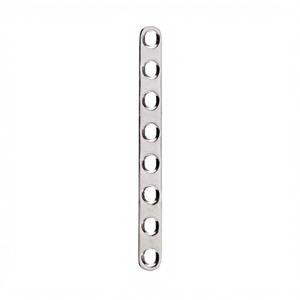
- Osteoporotic Fragility Fractures & Femoral Fixation: Elderly osteoporosis accounts for a high incidence of proximal femoral fractures (intertrochanteric and femoral neck) and distal radius fractures. Tokyo trauma centers demand high-shear-resistance titanium intramedullary nails (PFNA/TRT systems) and variable-angle locking plates that achieve immediate rigid stability in compromised, low-density cancellous bone.
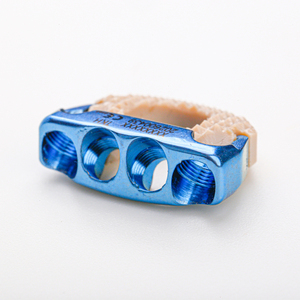
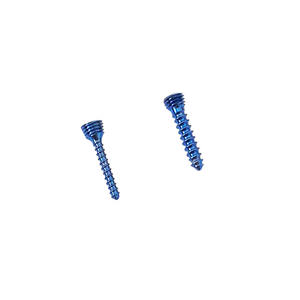
- Degenerative Spinal Pathologies & Minimally Invasive Spine Surgery (MISS): Spondylolisthesis, lumbar spinal canal stenosis, and degenerative disc disease are prevalent among Tokyo’s senior workforce and retiree populations. Surgeons increasingly favor MIS approaches (such as Transforaminal Lumbar Interbody Fusion - TLIF, and Extreme Lateral Interbody Fusion - XLIF) using 3D-printed porous titanium cages and polyaxial pedicle screws with low profile tulip heads to reduce post-operative recovery times and surgical blood loss.
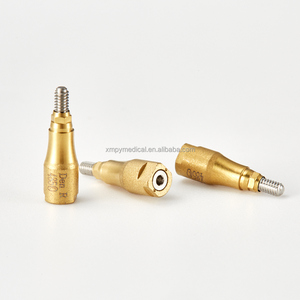
- Digital Dentistry & Maxillofacial Reconstruction: Tokyo's private prosthodontic clinics and urban trauma centers rely on ultra-precise CAD/CAM implant scan posts, micro-titanium studs, and low-profile Craniomaxillofacial (CMF) plating systems to deliver high-aesthetic, biocompatible bone anchor restorations.
2. PMDA Regulatory Alignment & Japanese Quality Assurance Framework
Exporting orthopedic surgical devices to Tokyo requires strict compliance with Japan’s Pharmaceuticals and Medical Devices Agency (PMDA) regulations under the Ministry of Health, Labour and Welfare (MHLW). Foreign manufacturers must comply with the Japanese Quality Management System (QMS) Ordinance No. 169, which aligns closely with international ISO 13485:2016 standards.
Trauhui Medical’s manufacturing workflow is specifically audited to supply Japanese B2B importers with complete STED (Summary Technical Documentation), full raw material heat traceability certificates (ASTM F136 / ISO 5832-3 Grade 5 Ti-6Al-4V ELI), dynamic fatigue testing reports (per ASTM F1717 for spine and ASTM F543 for bone screws), and biocompatibility clearance data required for PMDA Shonin (approval) and Ninshin (certification) filings.
3. Direct Factory Sourcing Advantages for Tokyo Dealers
By establishing direct B2B OEM/ODM partnerships with factory-direct manufacturers in Changzhou, Tokyo medical dealers bypass multi-tier broker markups. Standard orders can be dispatched via air freight directly to Tokyo’s Haneda (HND) or Narita (NRT) airports within 72 hours of manufacturing completion, or via fast-sea shipping to the Port of Tokyo (Aomi/Ohi Terminals) within 5 to 7 days, guaranteeing uninterrupted stock replenishment for contract hospitals.